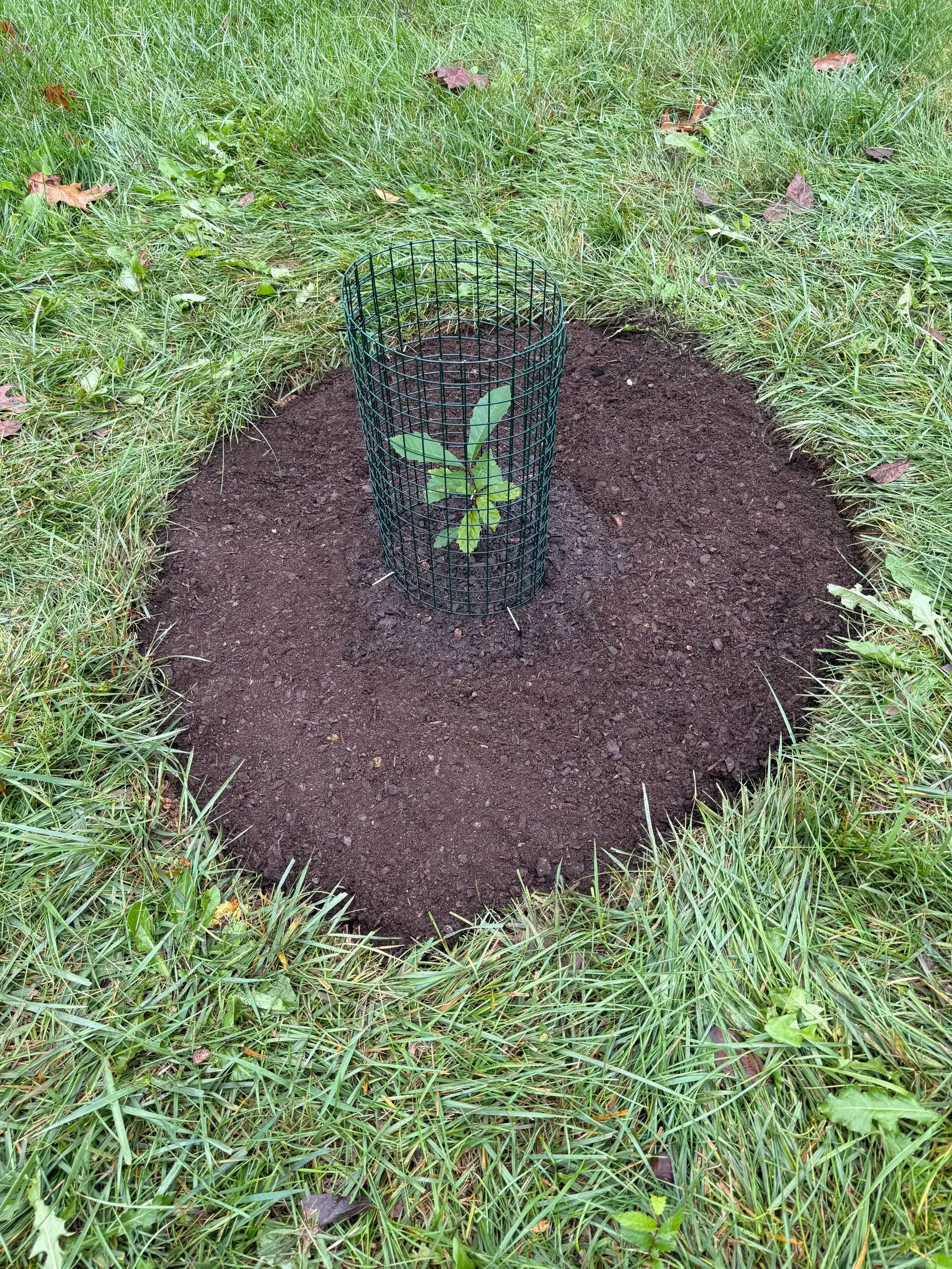
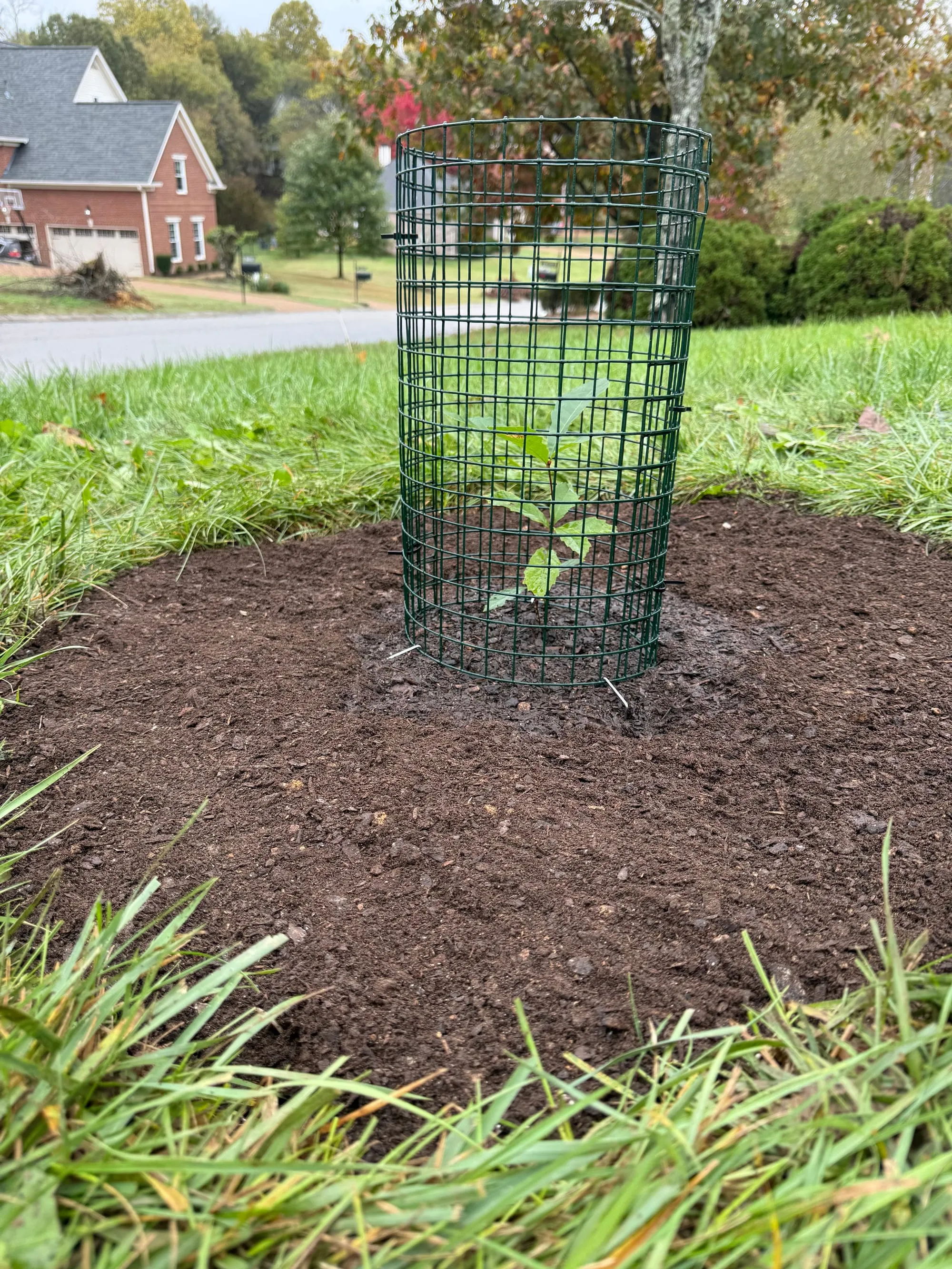
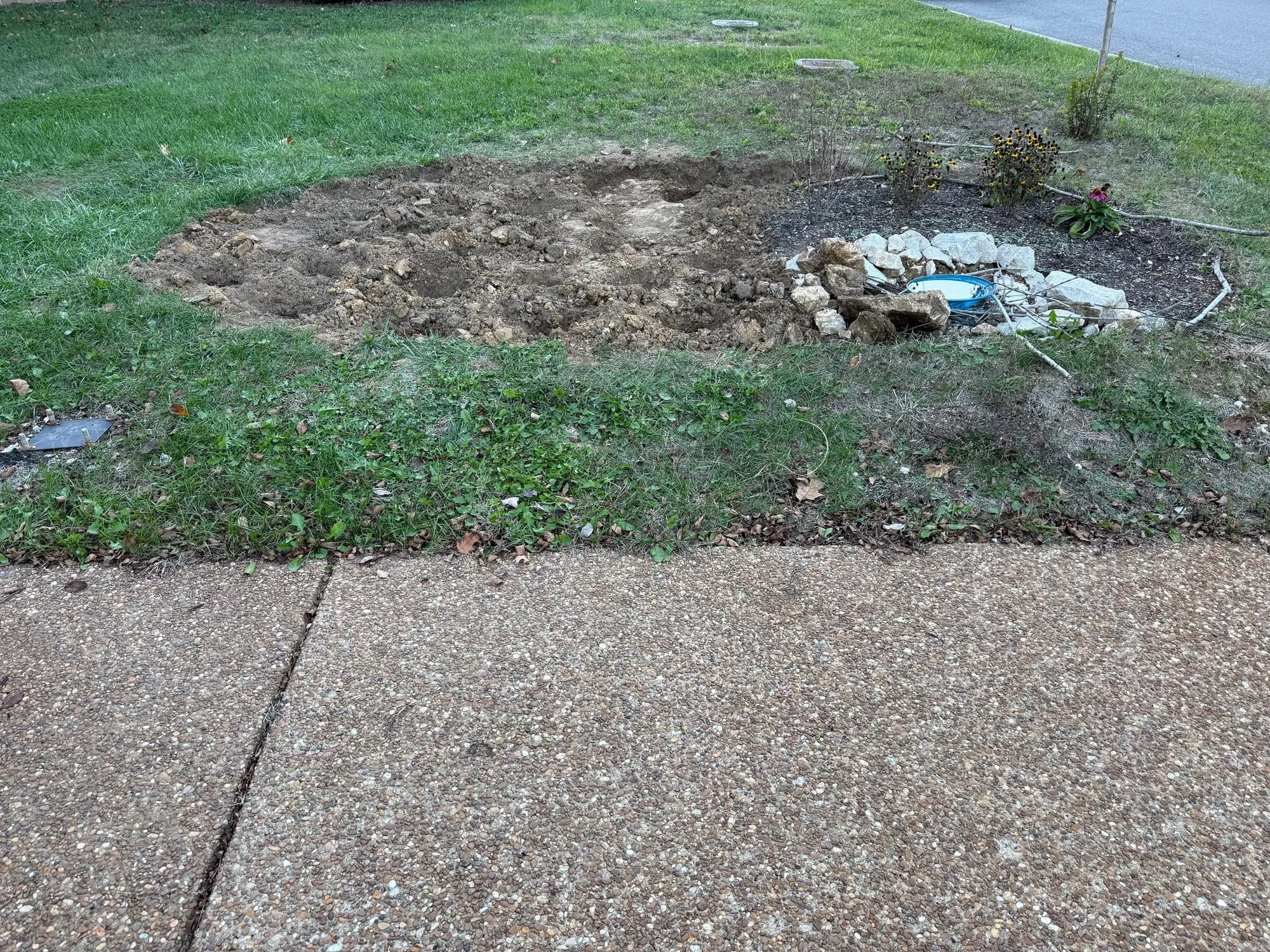
Brentwood is a suburb just a few miles south of Nashville. We moved to this community in April of 2025 and after a few months of getting settled, we quickly began plans for building a native pollinator garden. By late June we were digging up grass, adding fresh soil, and planting some natives. We started small by planting three Swamp Milkweed, three Brown-eyed Susan, and three Purple Coneflowers.
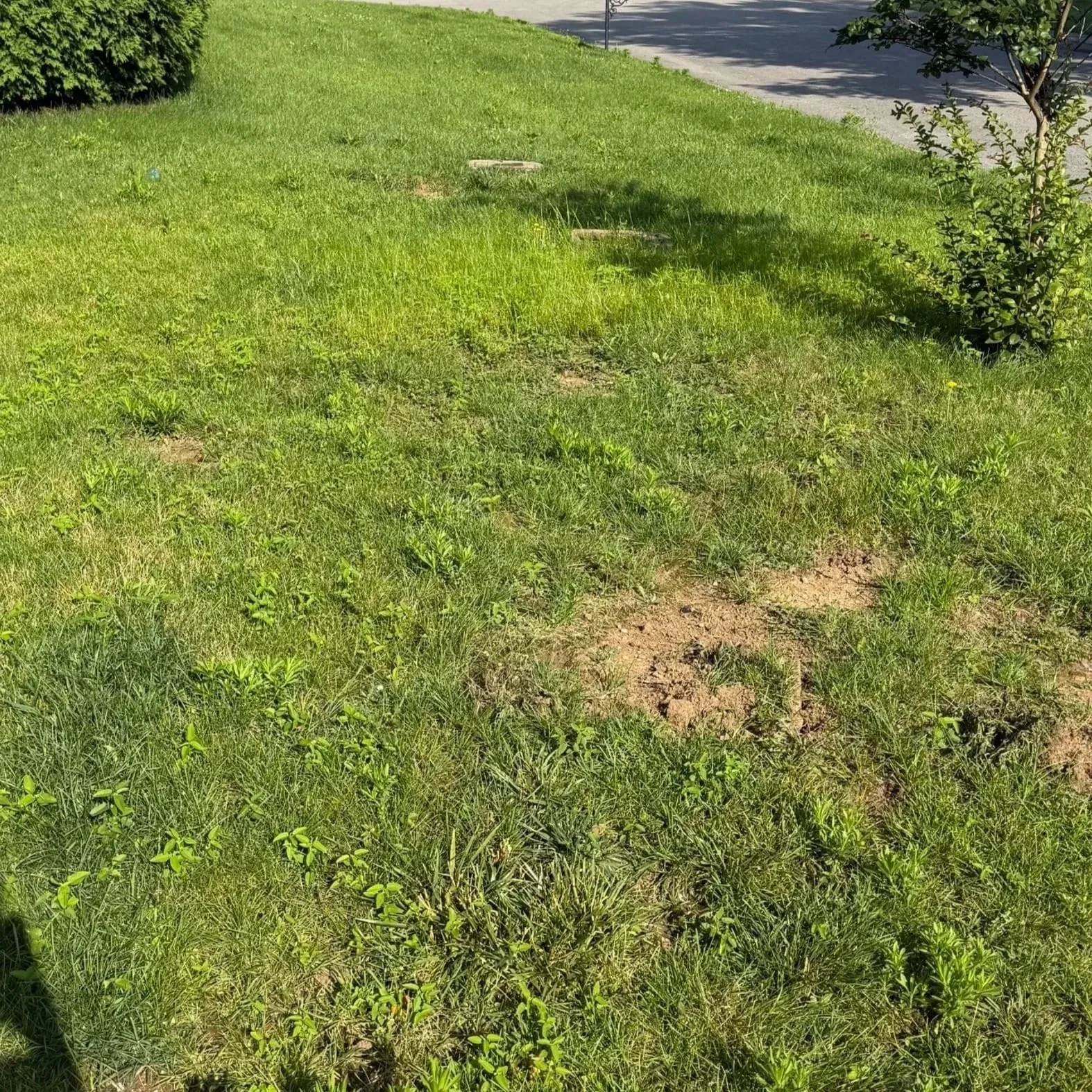
Before our initial planting
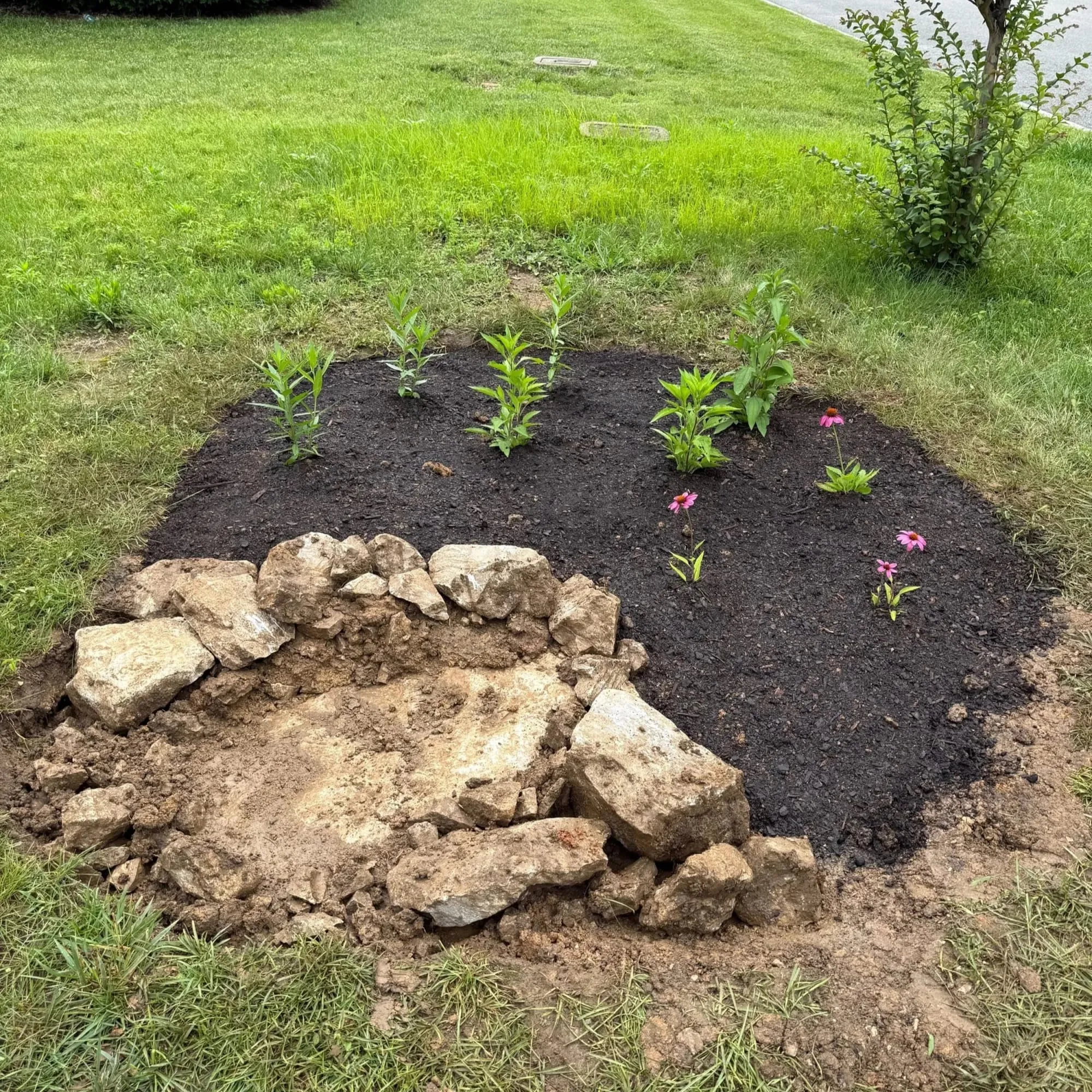
After our initial planting (1 day apart). Plus some rocks we uncovered during the process.
Given that this was our first time planting native plants, we were happy with the results. Most of the plants established themselves well but two of the Purple Coneflowers died off after a few weeks. We will see what returns next year. We also struggled with some deer that would do nightly trimmings of our Brown-eyed Susan’s and occasionally our other plants. So we implemented a small temporary fence. We also added some Daisy Fleabane to the mix that had sprouted in our yard.
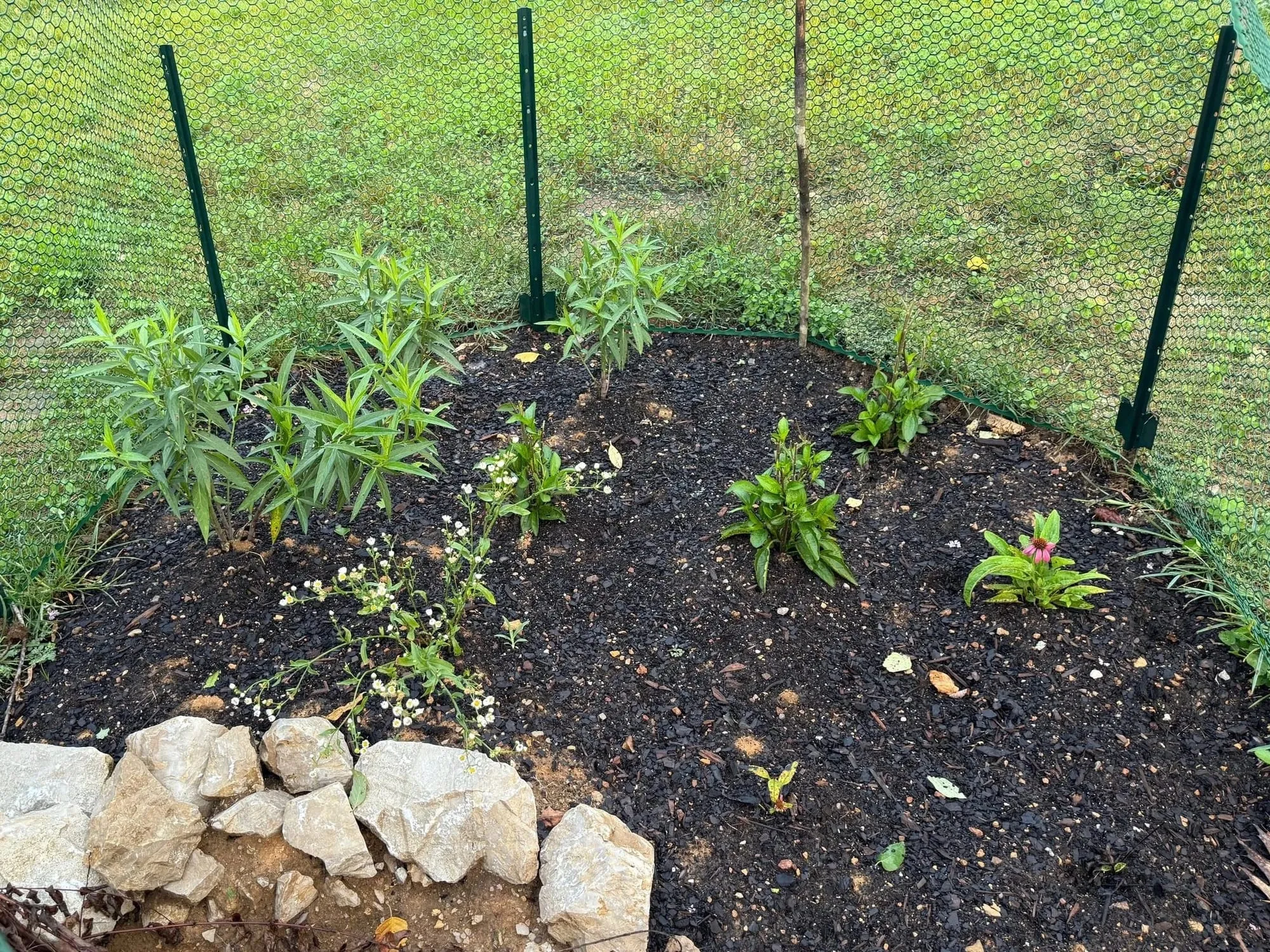
Temporary fence we put up. You can see the Swamp Milkweed is growing well, but the Brown-eyed Susan’s have been trimmed and only one of the Purple Coneflowers is thriving.
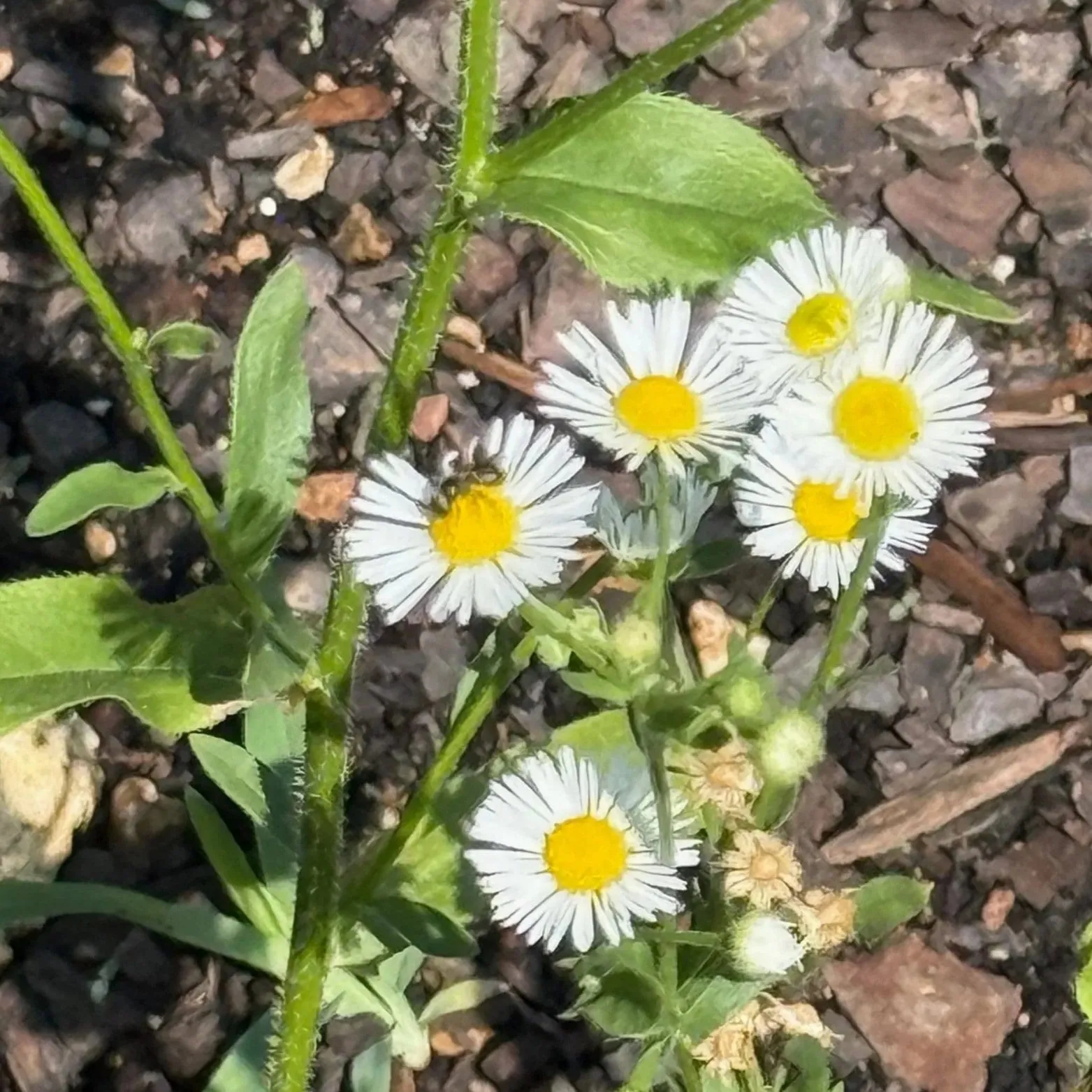
Some Daisy Fleabane that we transplanted from our yard to our garden.
Proof of the deer that frequent our yard. They will often bed-down for the night near our house. They are welcome guests!
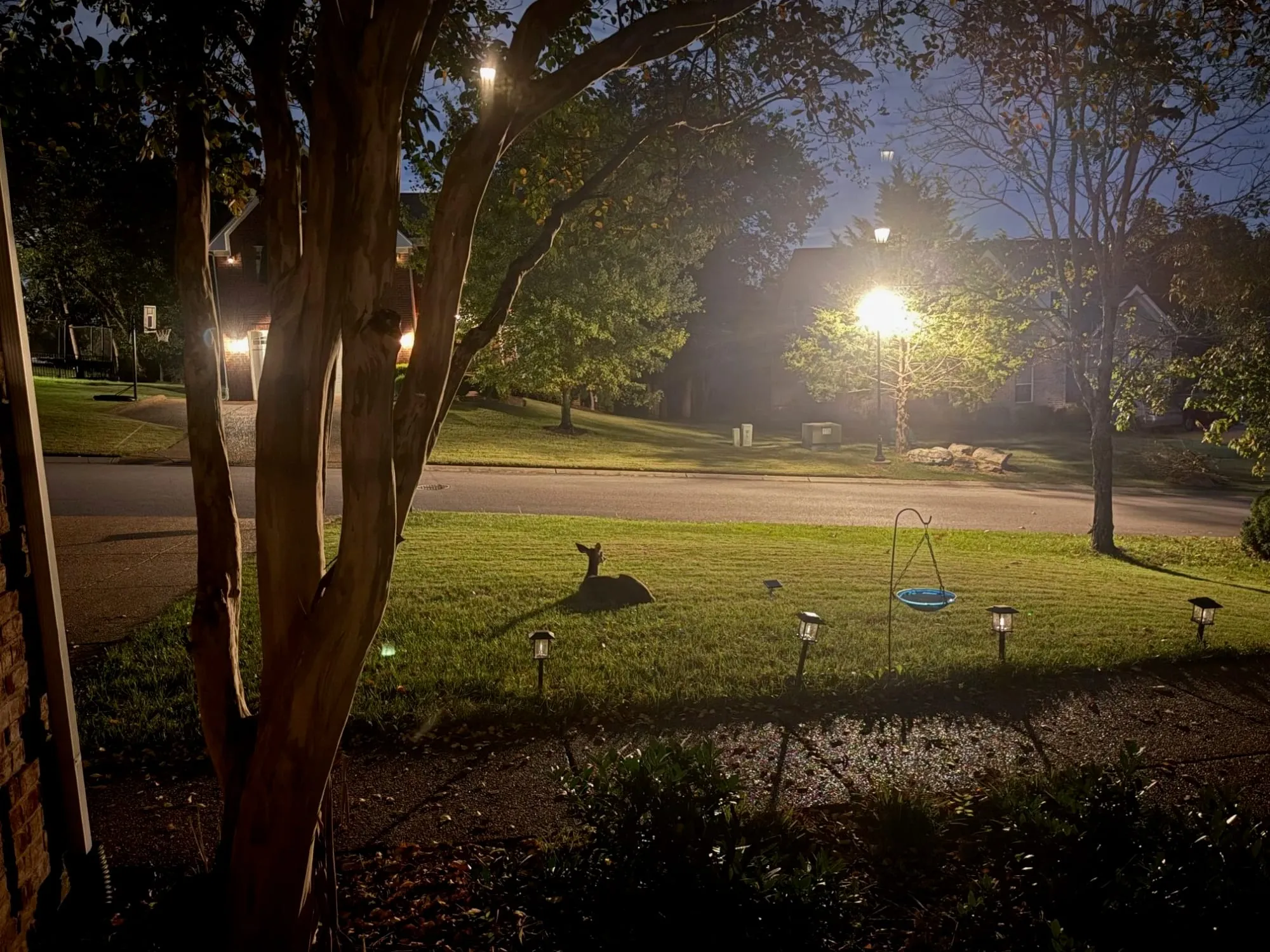
Taken around midnight.
For the first year, the swamp milkweed grew well but did not flower. The Brown-eyed Susan’s did well and yielded well over 100 flowers. The one Purple Coneflower plant that survived ended up producing close to 10 flowers later in September and October.
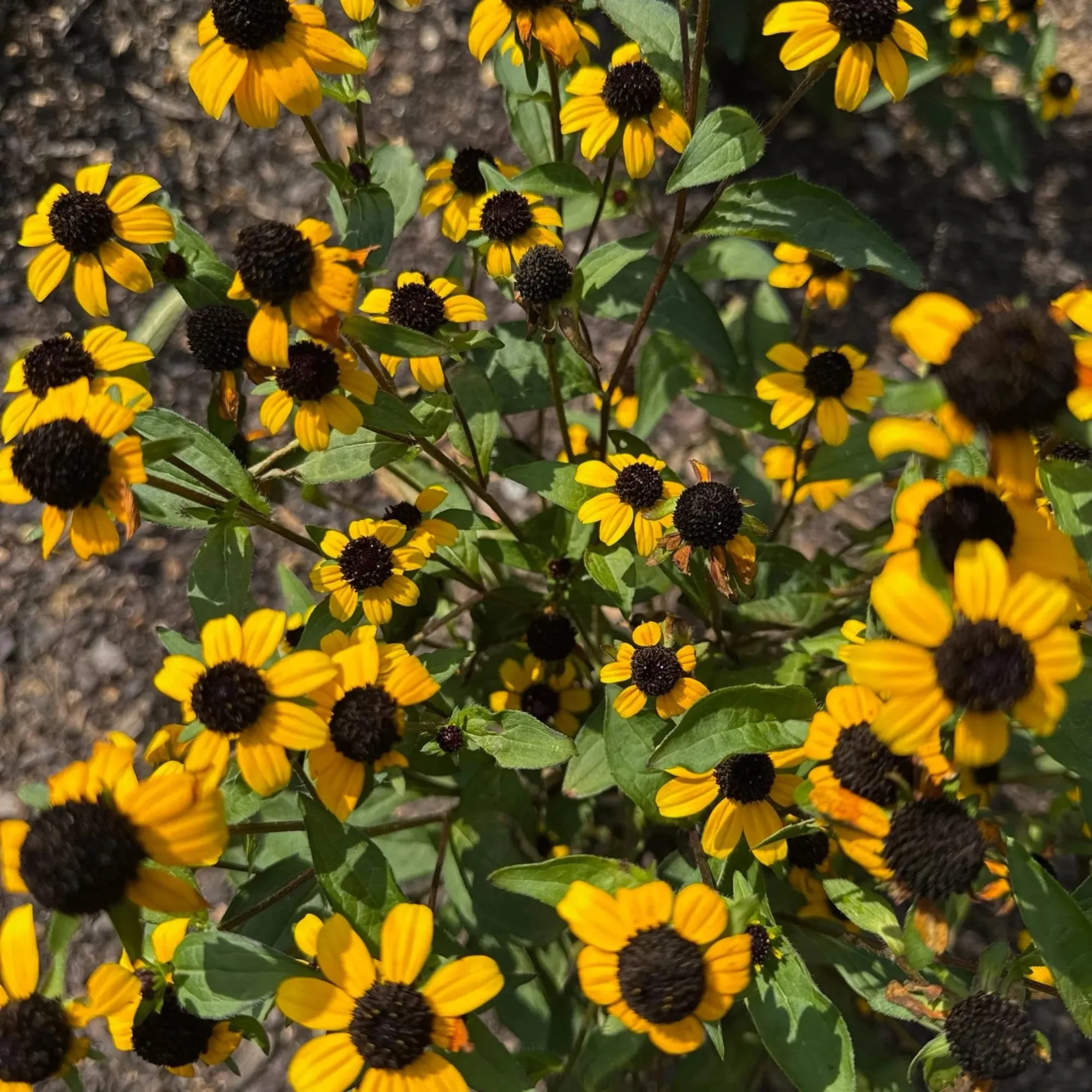
Lots of Brown-eyed Susan’s with a little bee!
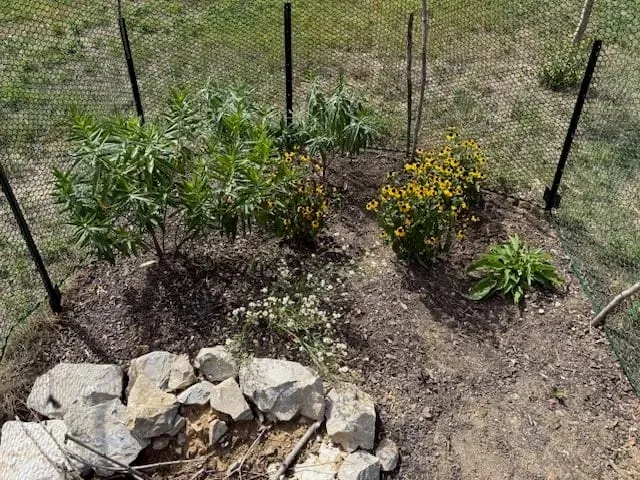
Strong growth from the swamp milkweed on the left. Many flowers from the Brown-eyed Susan’s. And one Purple Coneflower plant that established itself well.
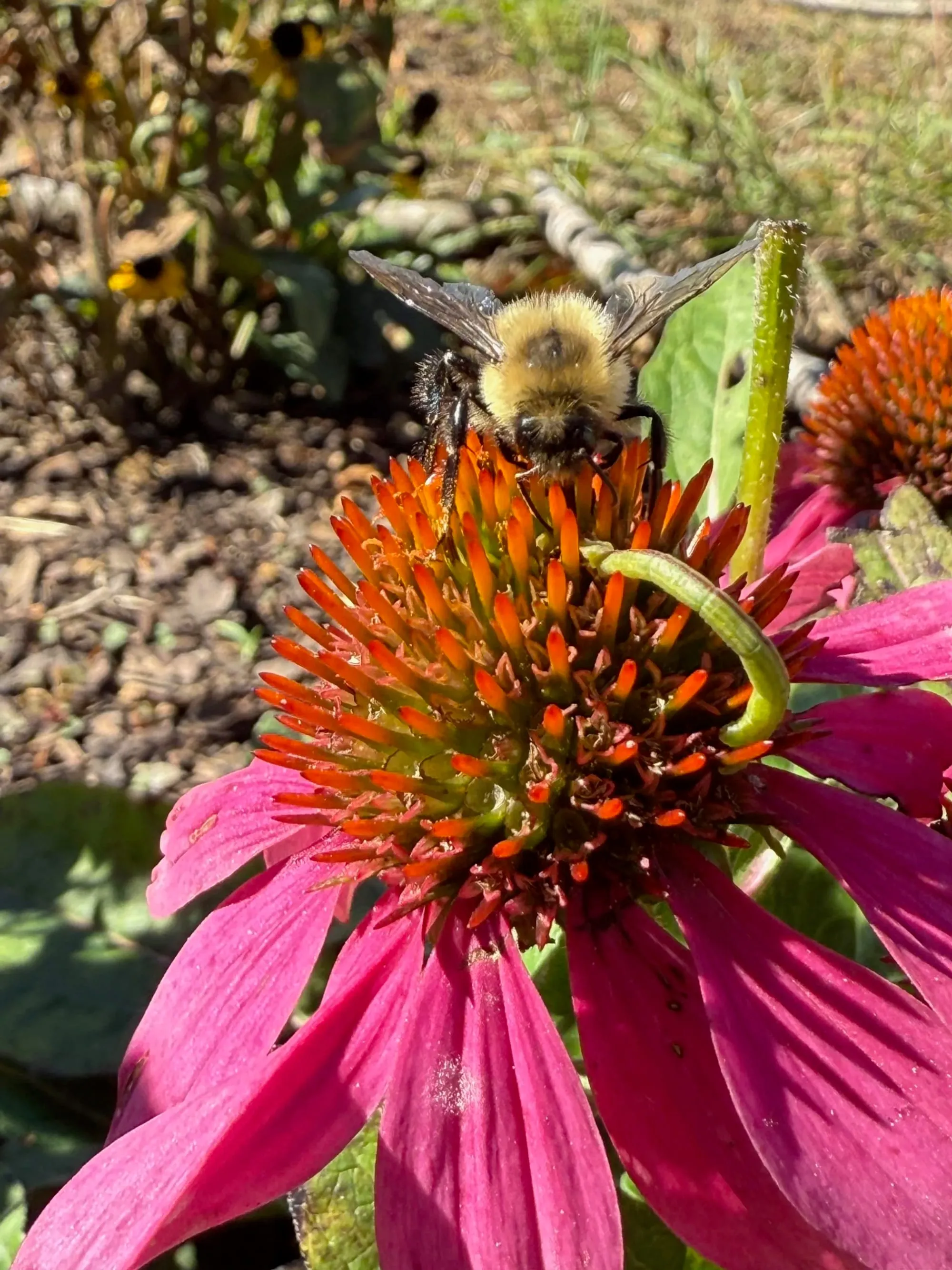
Brilliant Purple Coneflower with a bee and a caterpillar.
Now we are expanding…
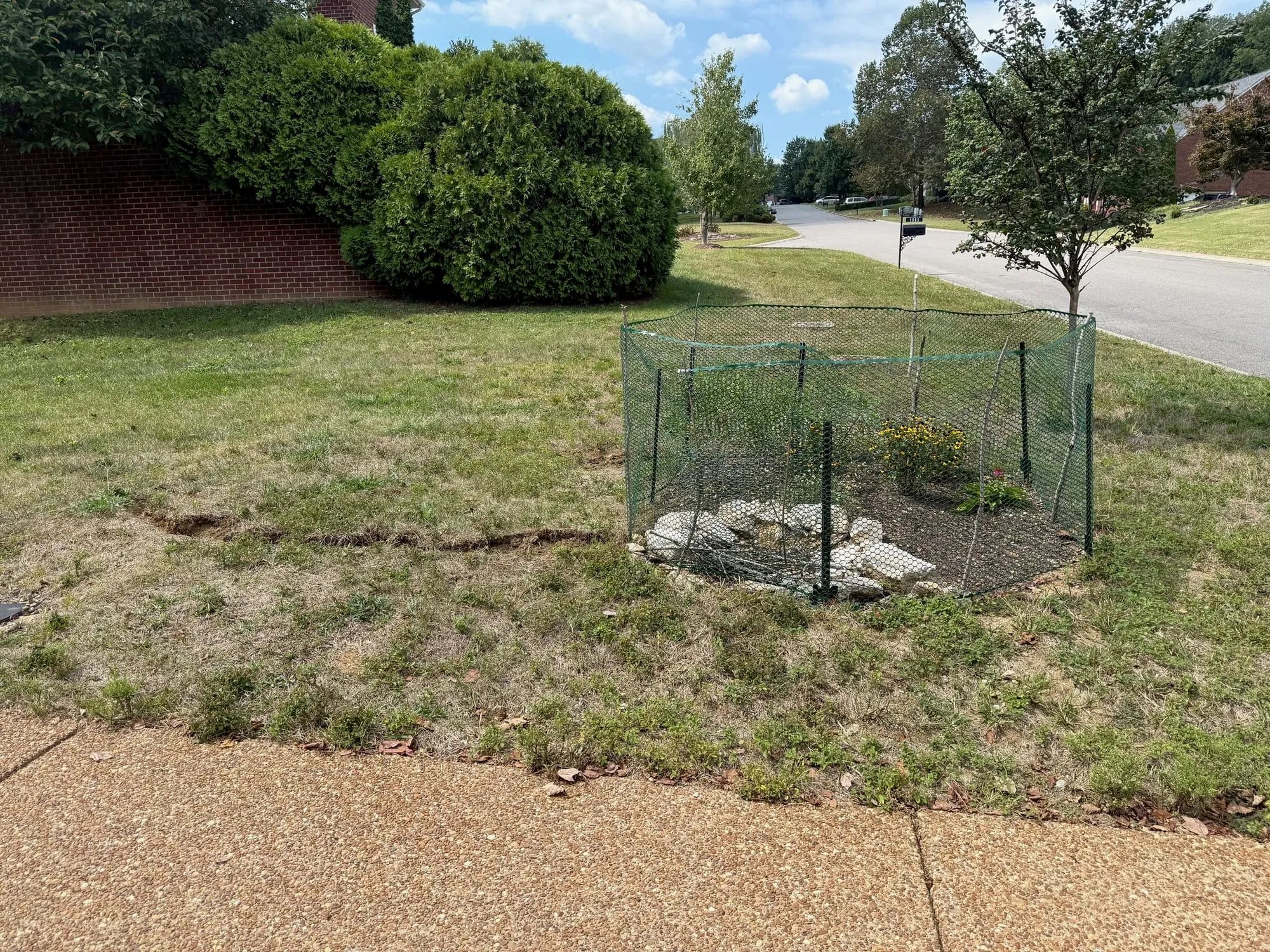
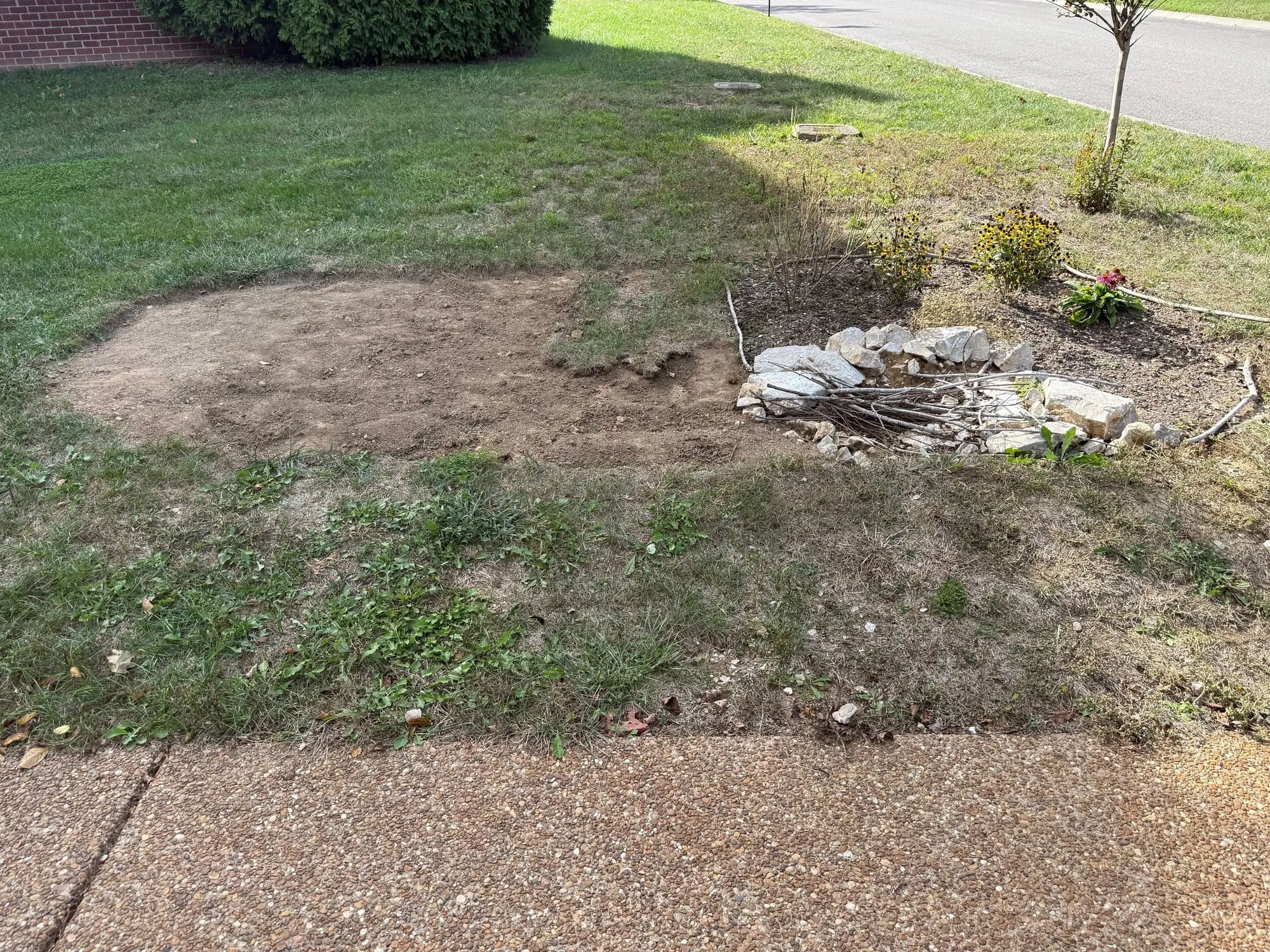
Another update we are working on is filling in a bare patch that exists in our backyard. Our backyard is fenced in and is a favorite spot for our dog. And given that the backyard is already relatively small, we did not want to further limit the space our dog had to run around. However, we did not want to just plant standard grass so we opted to plant white clover. The clover has been growing very well and in a matter of a few weeks has already covered much of the area with thick greenery. This was slightly surprising because this is an area that does not get a ton of sunlight and can be susceptible to erosion.
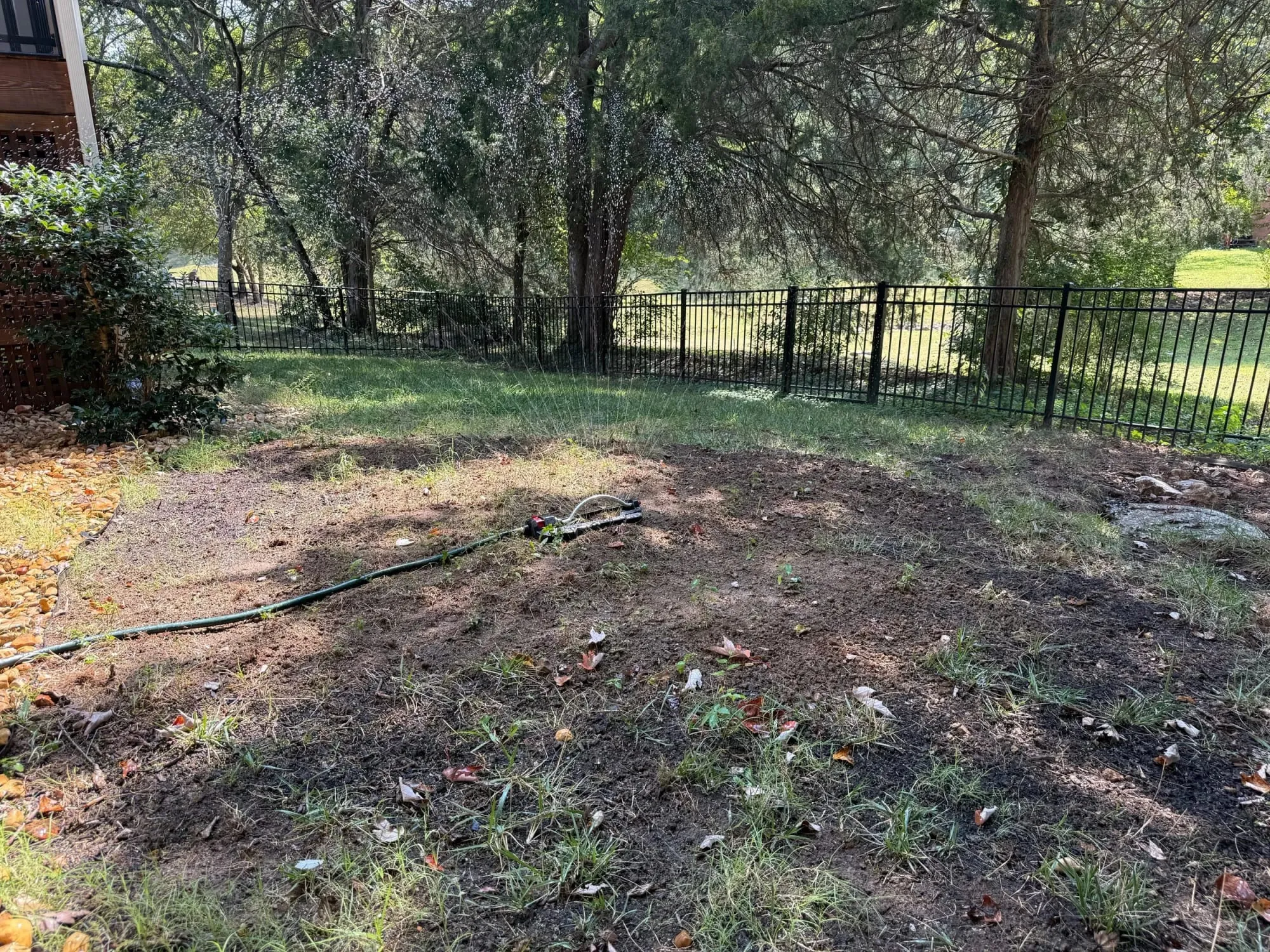
September 11th, 2025
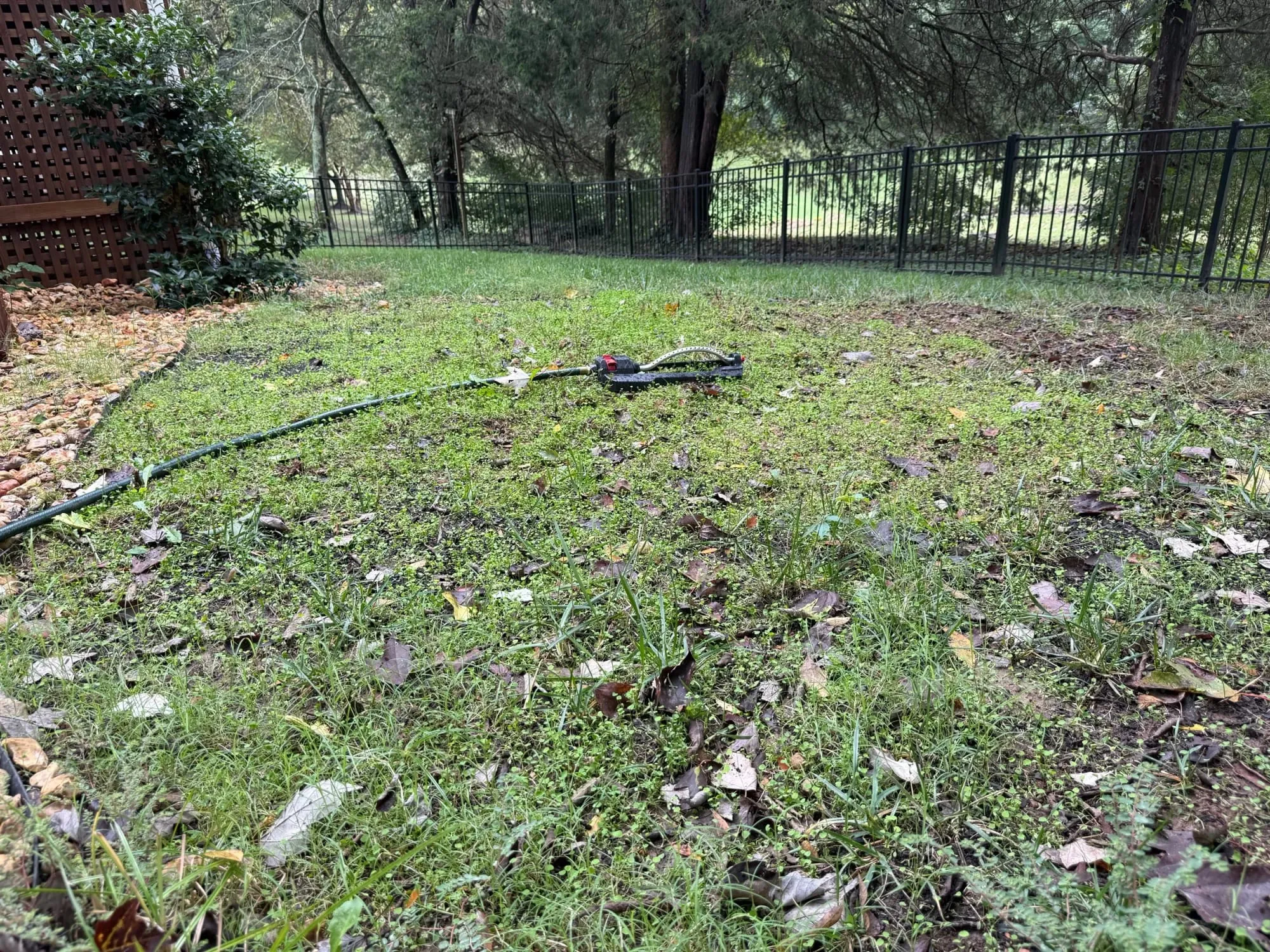
September 23rd, 2025
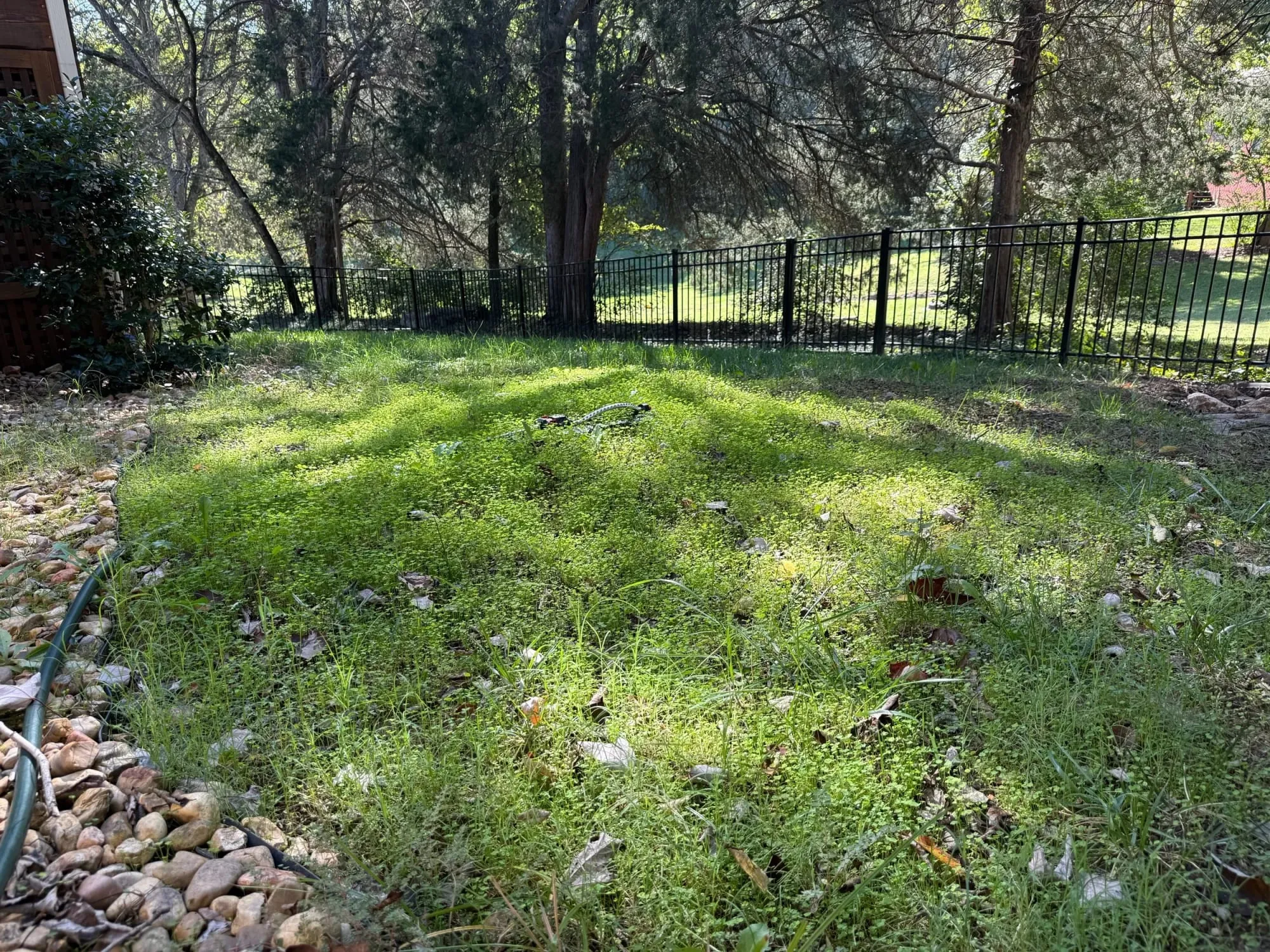
October 2nd, 2025
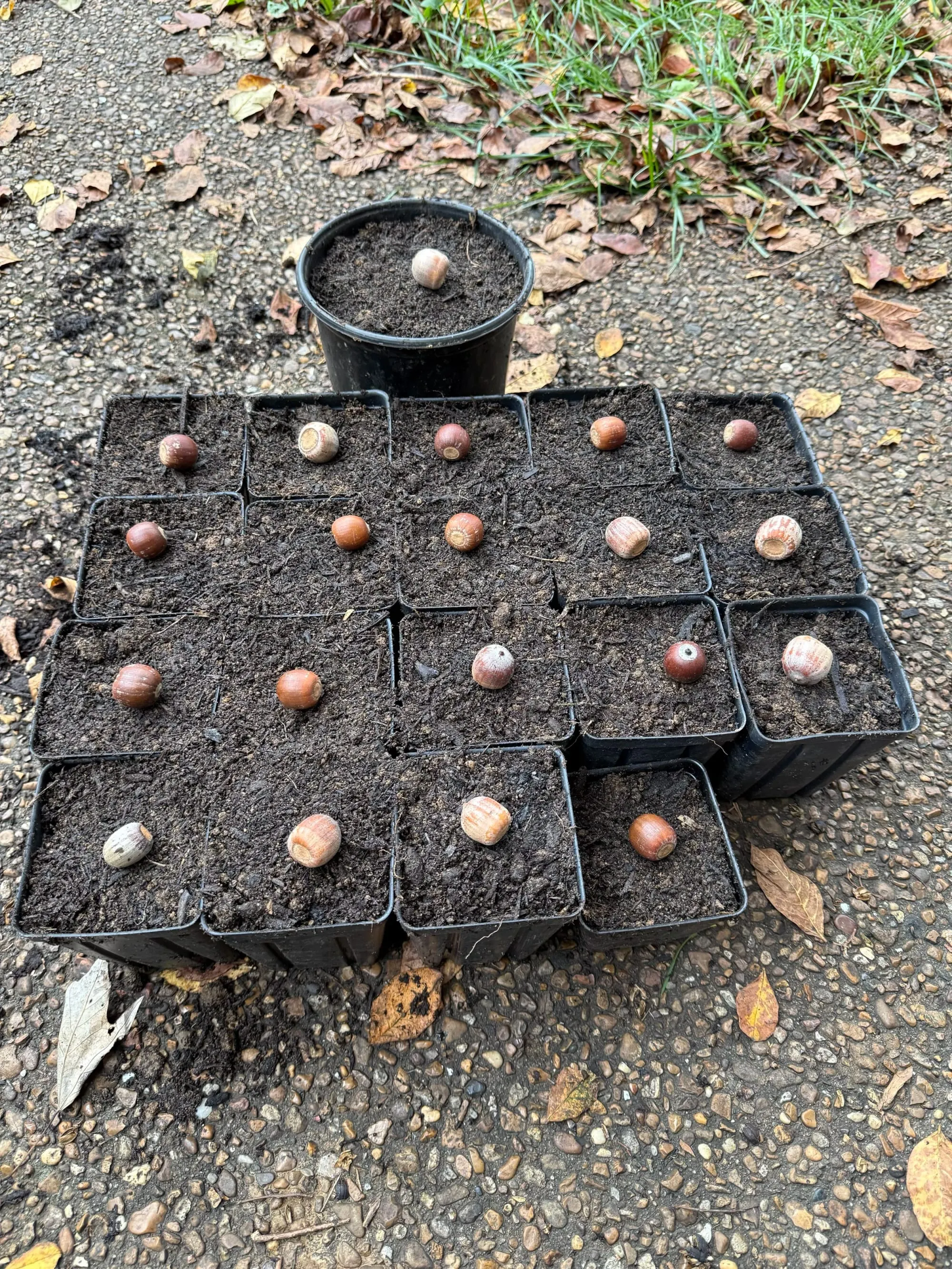
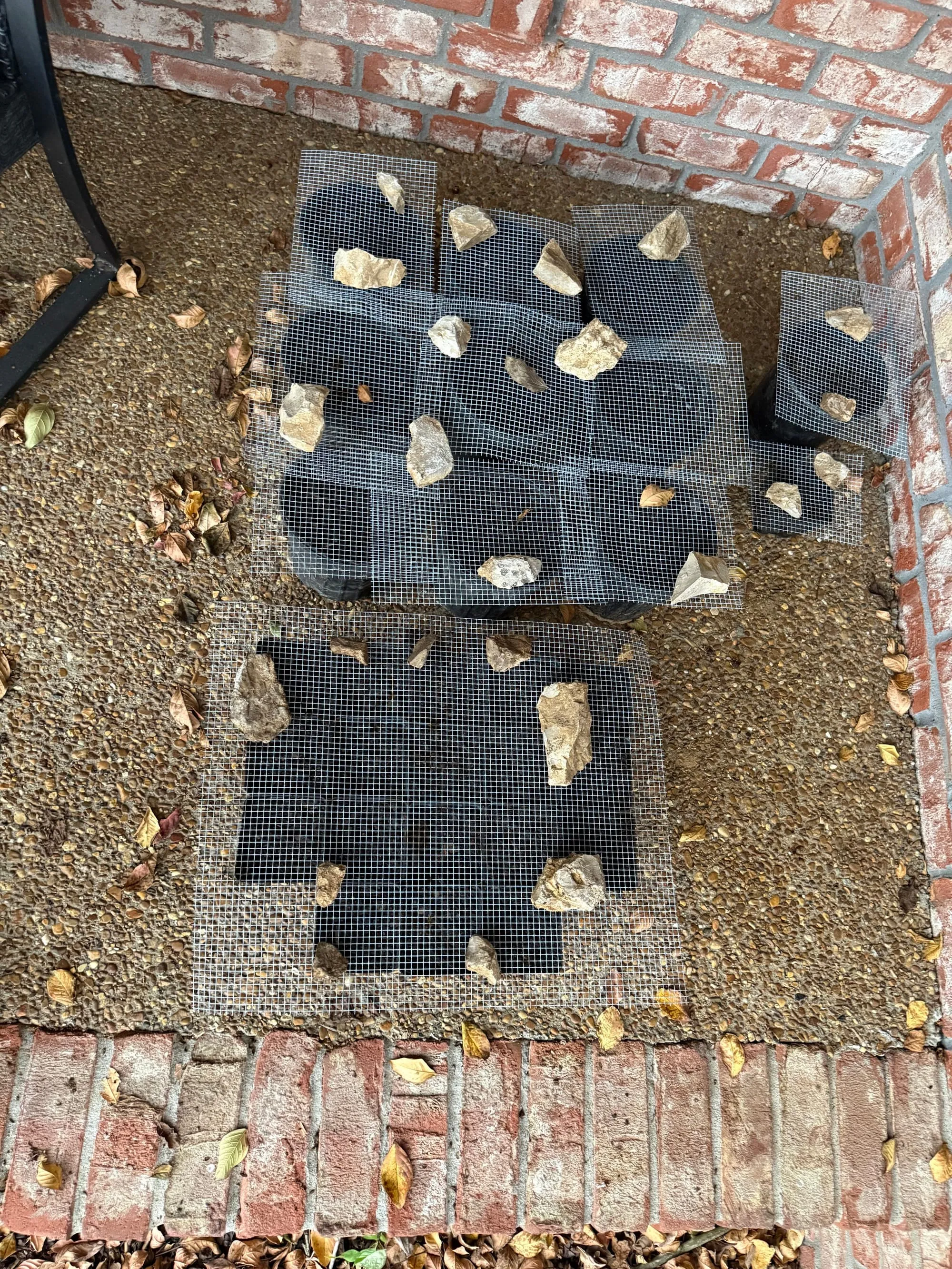
Throughout this Fall we have been collecting acorns from around the neighborhood from various Red Oak trees. We have potted some of these acorns, protected them with wire mesh, and placed them on the porch for the Winter so that they will undergo cold stratification. In total, we planted 29 acorns. We are hopeful they will sprout in the Spring.
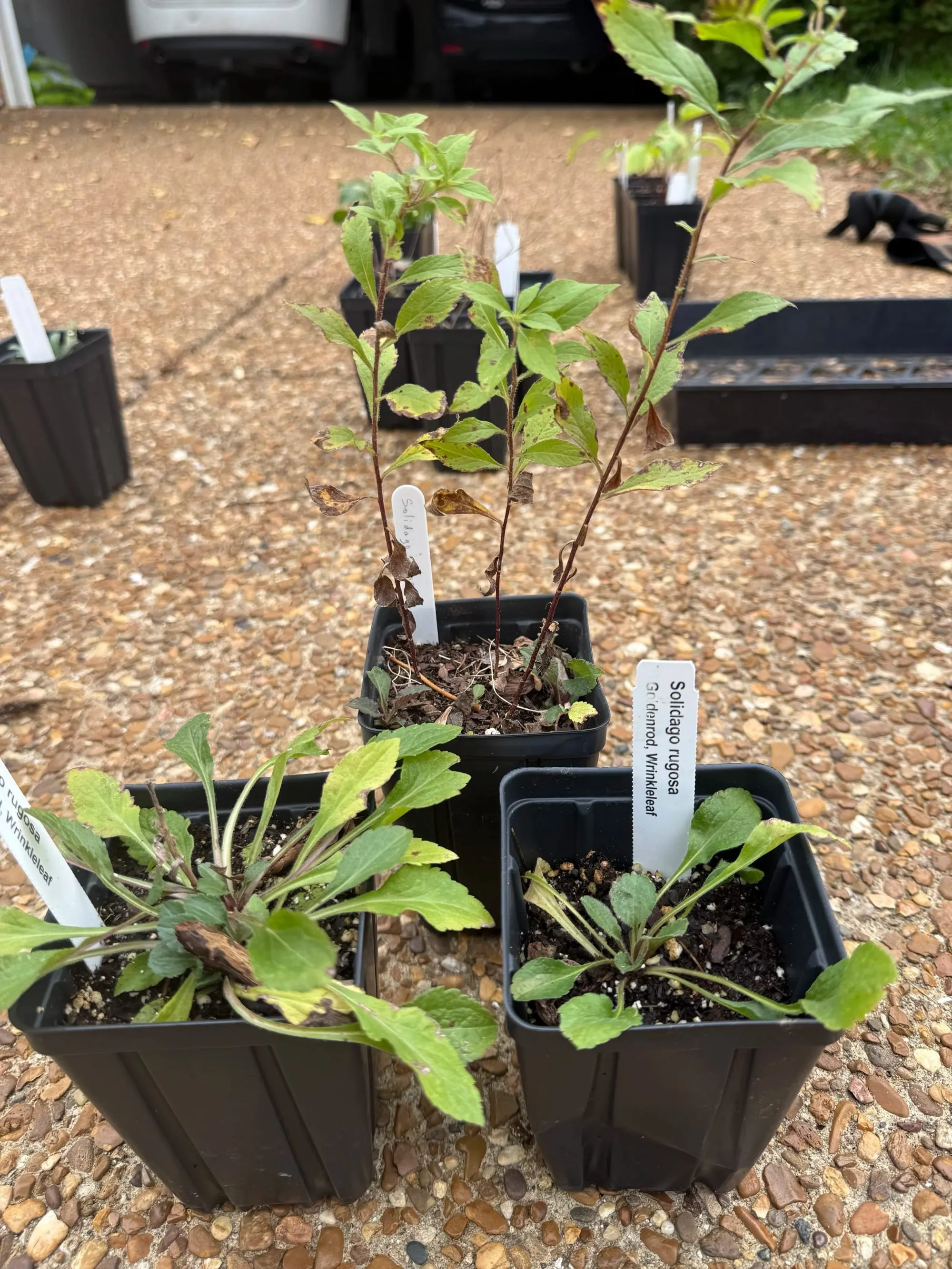
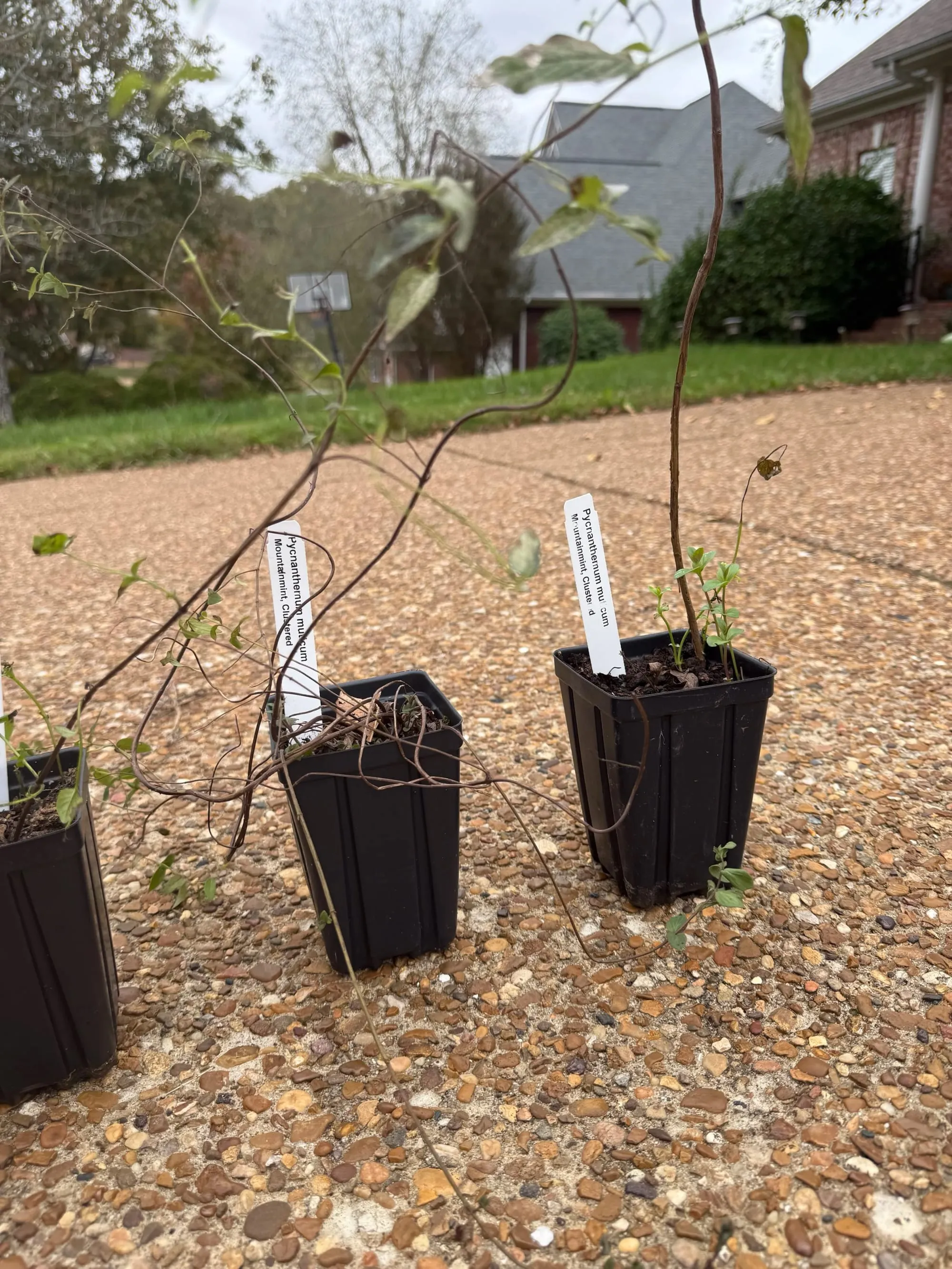
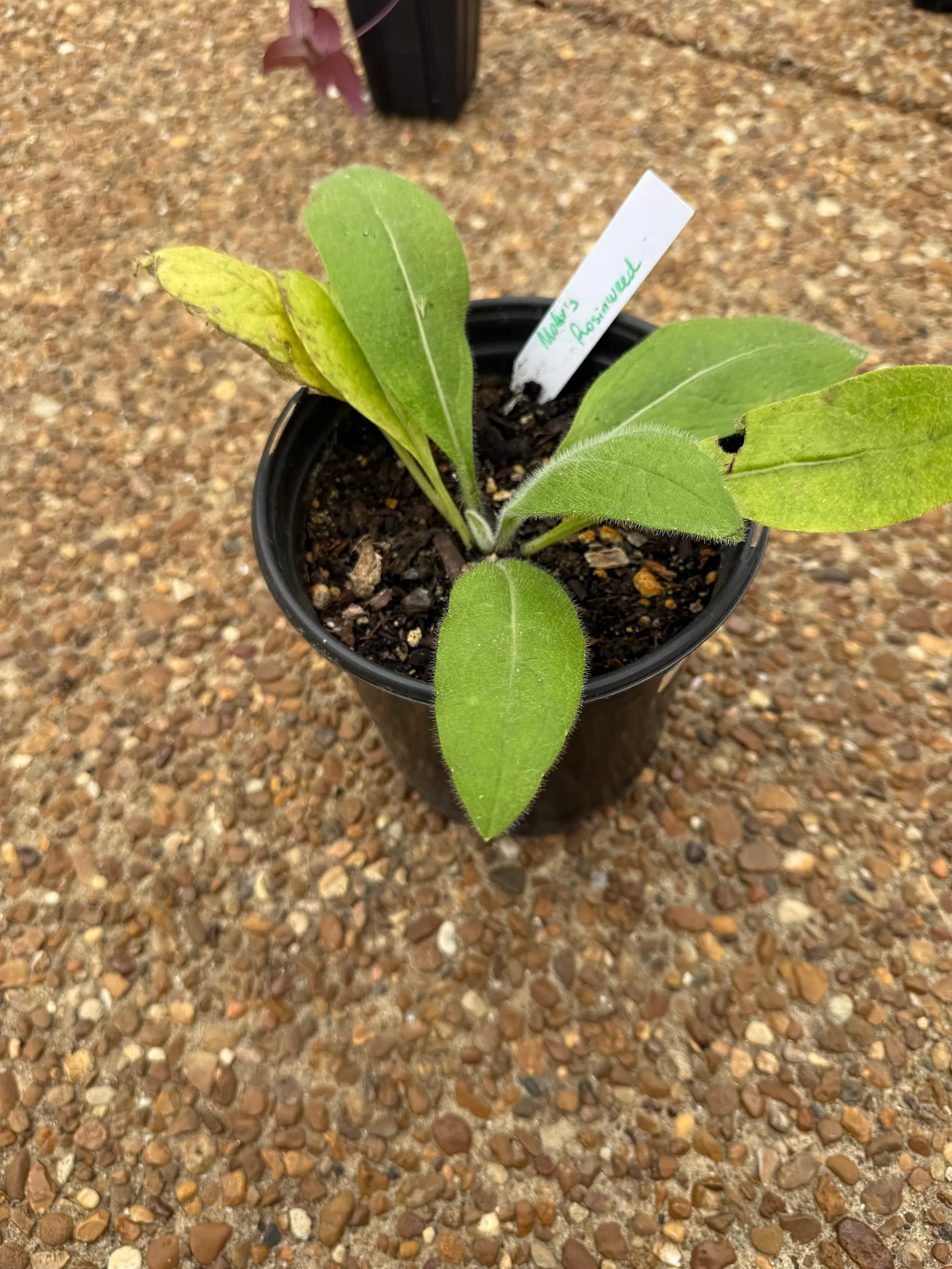
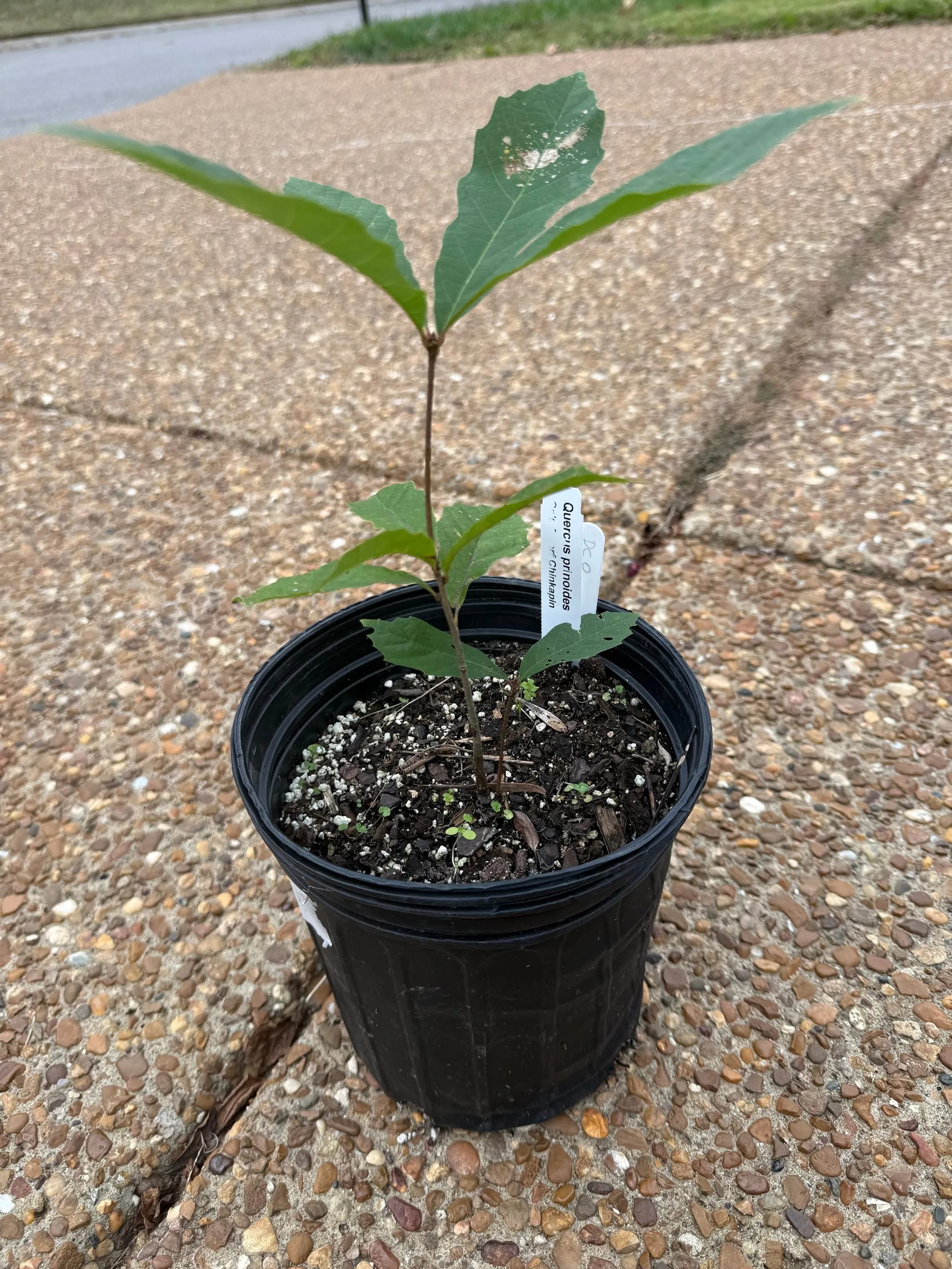
A nature sanctuary in the area known as Owl’s Hill does a Fall native plant sale in conjunction with GroWild Inc who offers an extensive inventory of plants that are truly native to Tennessee. We took full advantage and tried to get a wide array of plants. From left to right, top to bottom, we purchased Wrinkleleaf Goldenrod, Clustered Mountainmint, Aromatic Aster, Long-sepal Beardtongue, Purple Coneflower, Blue-eyed Grass, Foamflower, Bee Balm, Loomis Mountainmint, Eastern Bee Balm, Mohr’s Rosinweed, and a Dwarf Chinkapin Oak.
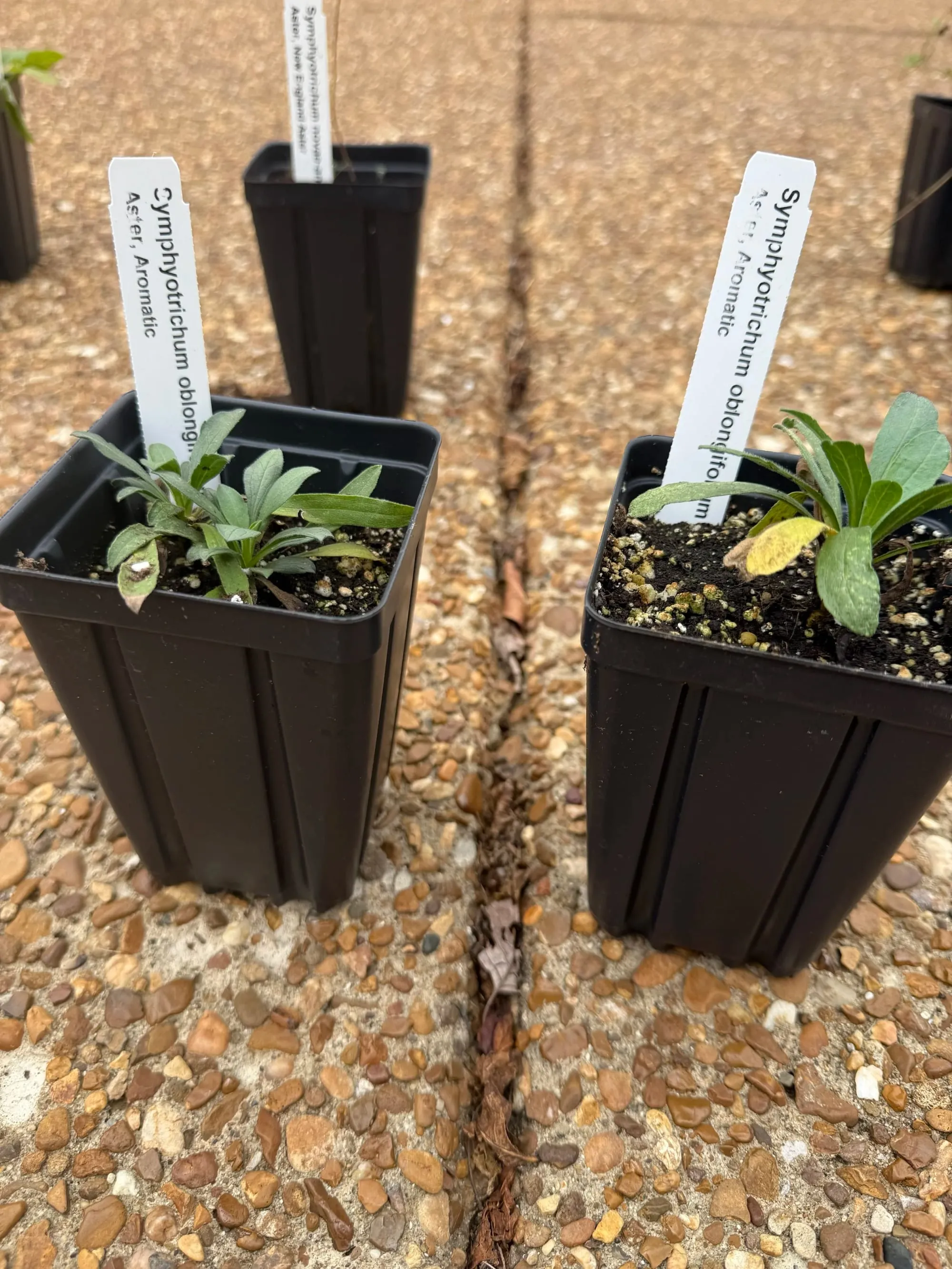
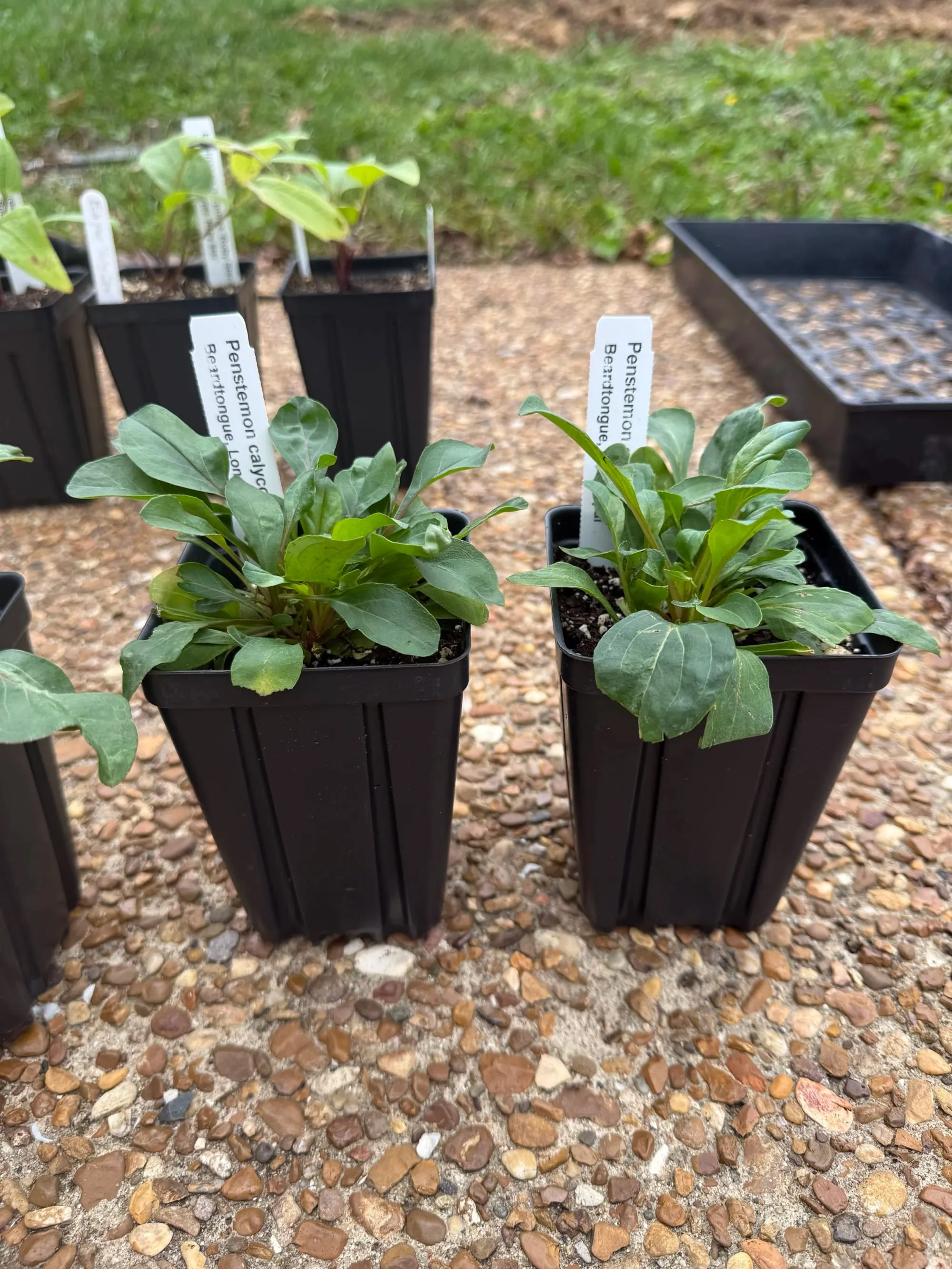
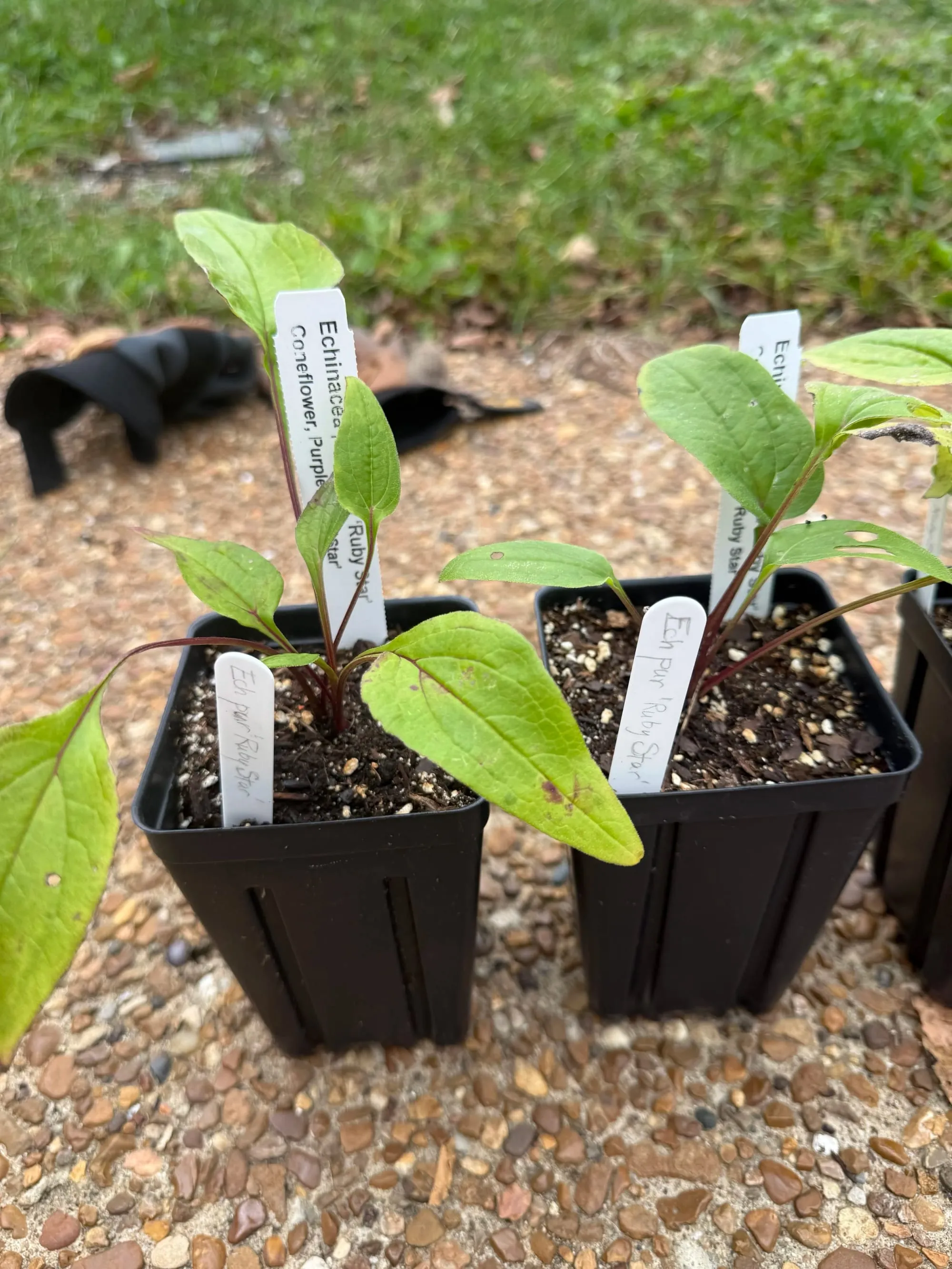
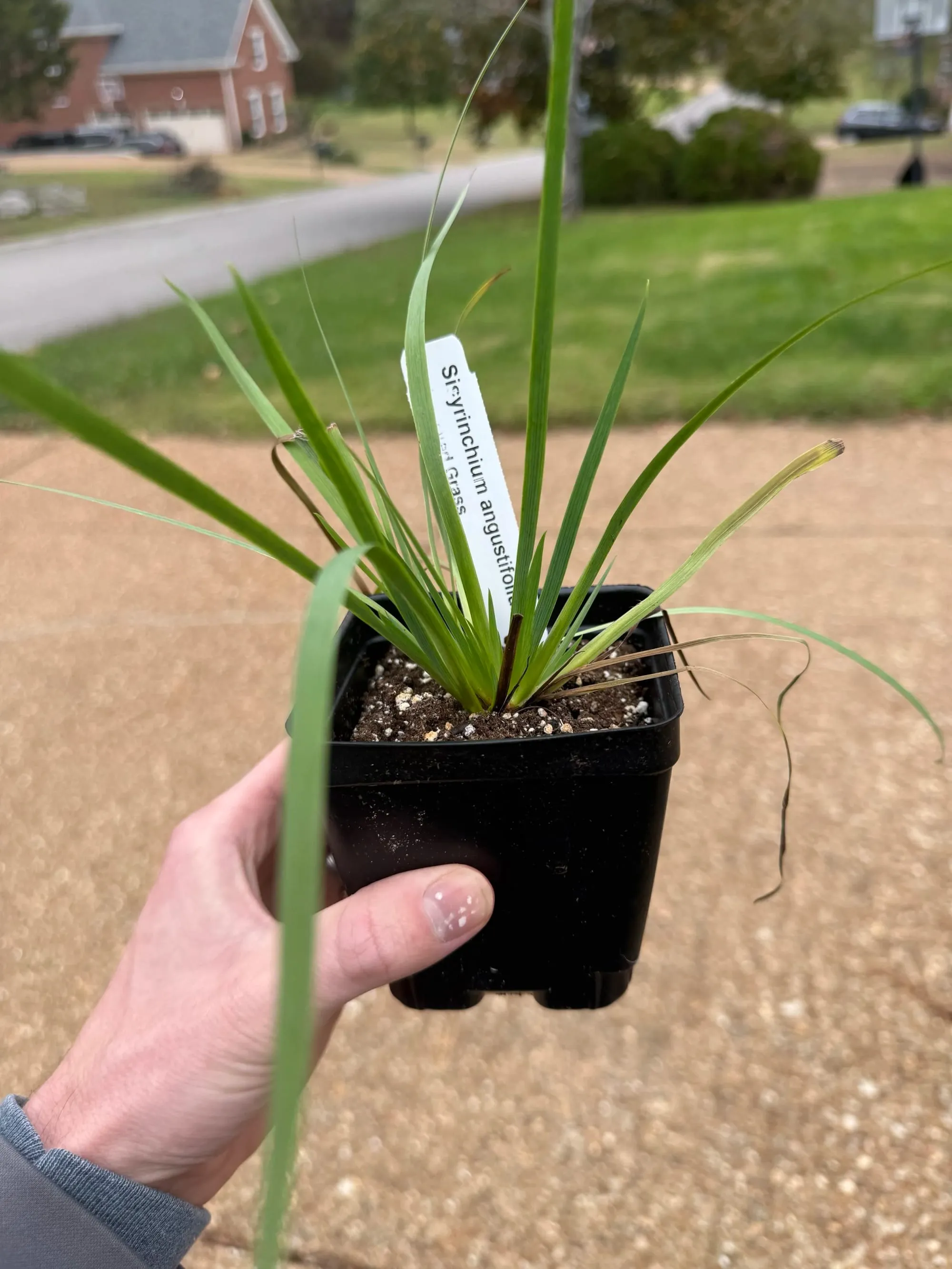
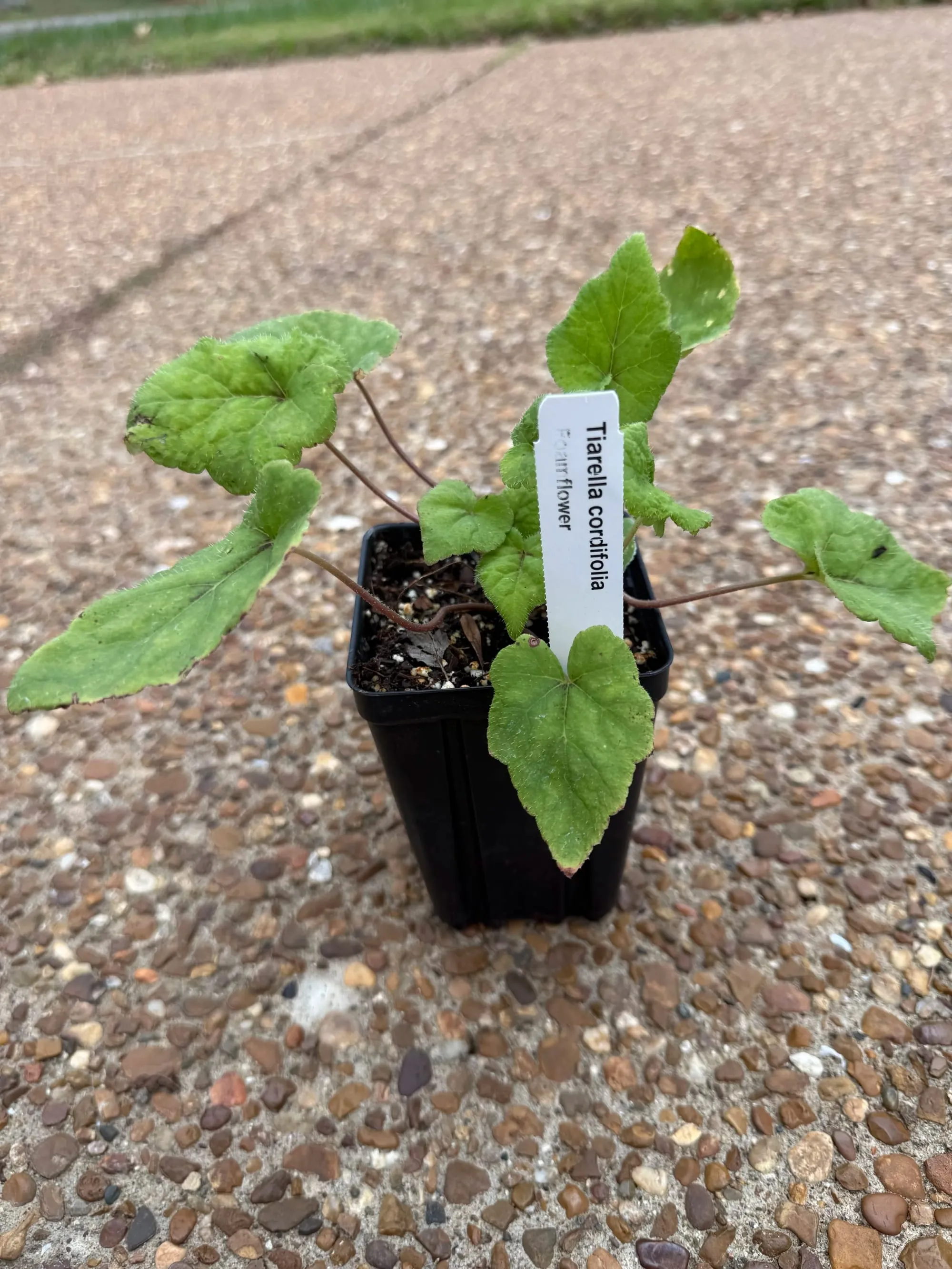
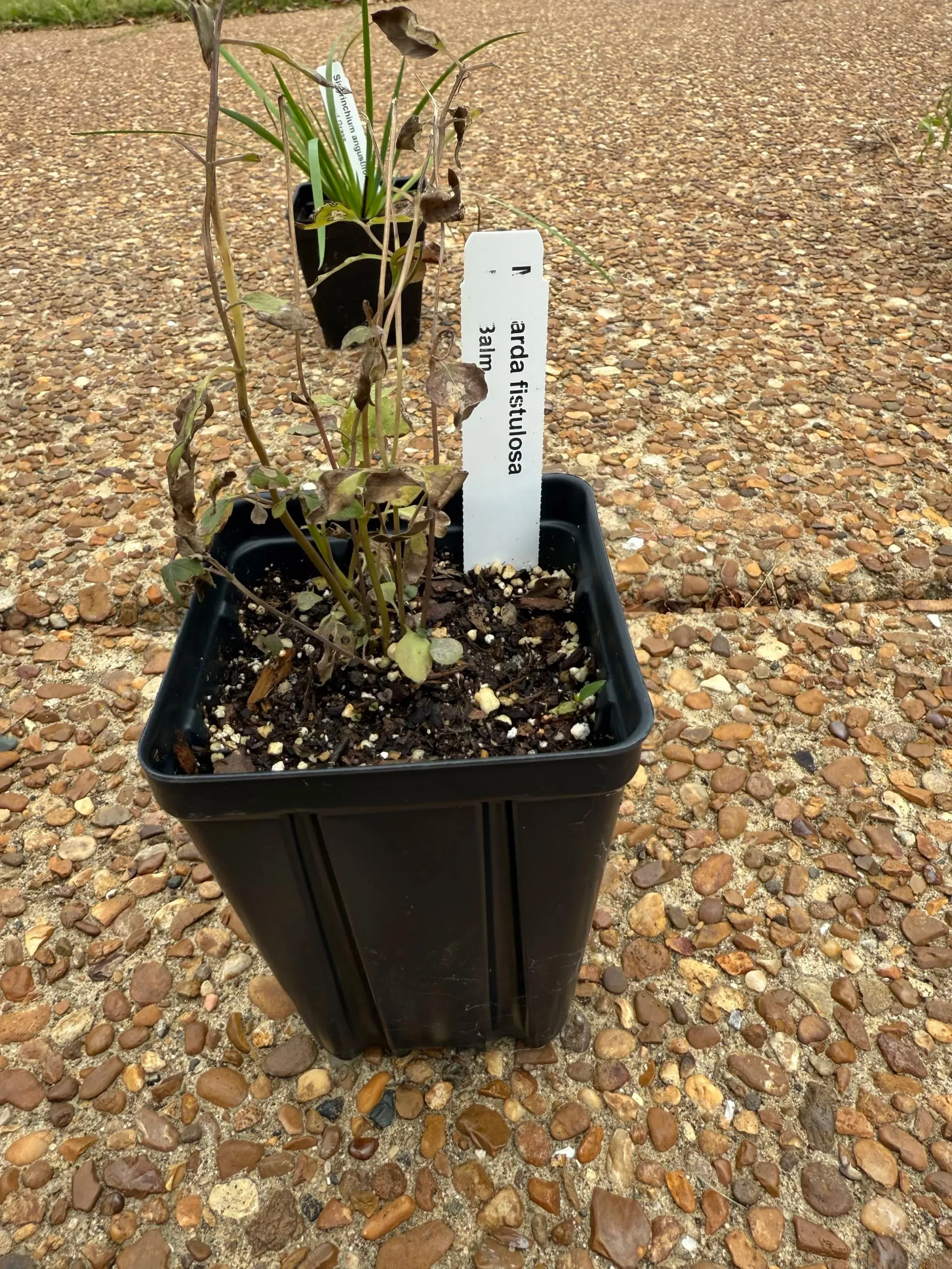
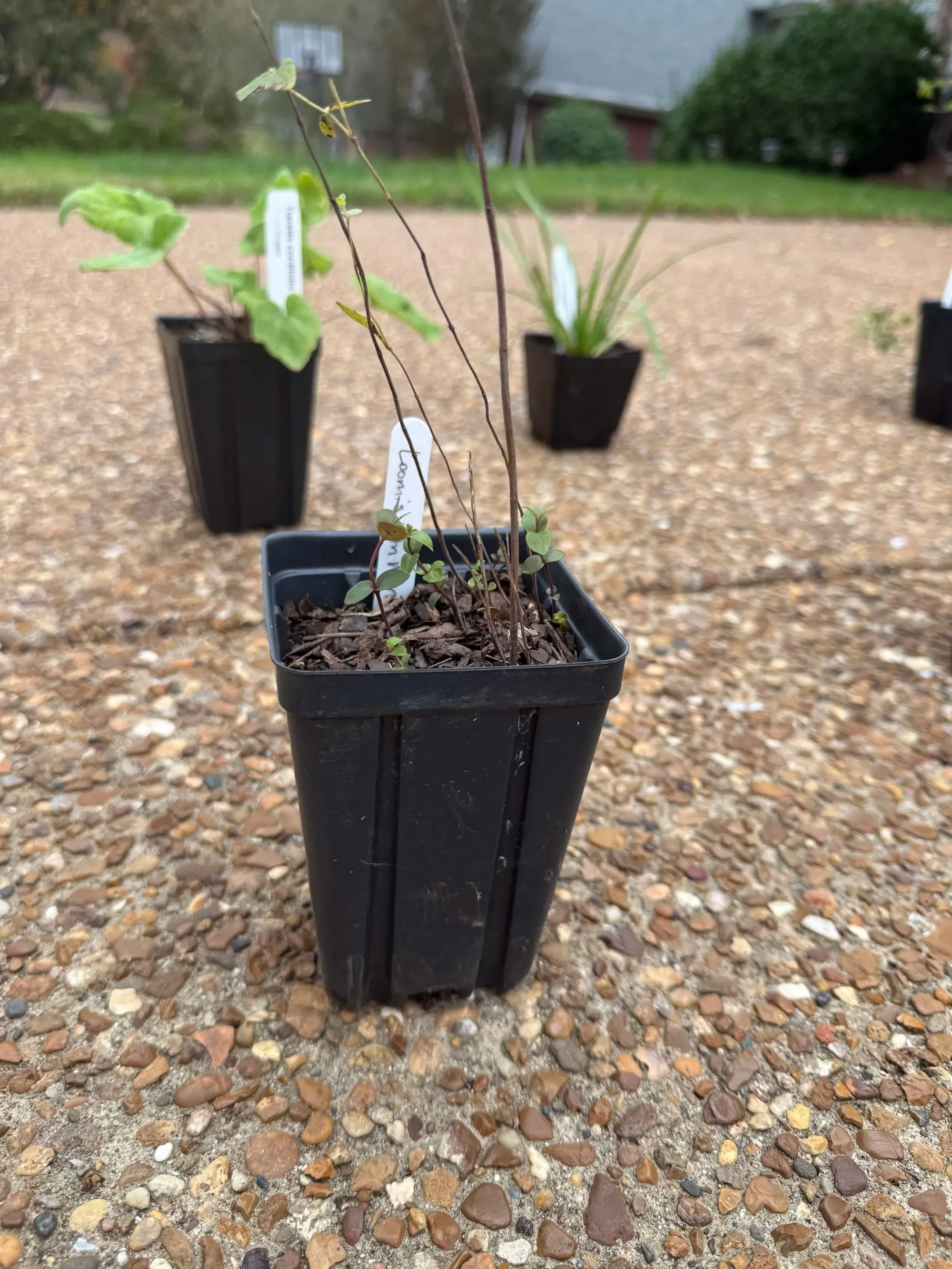
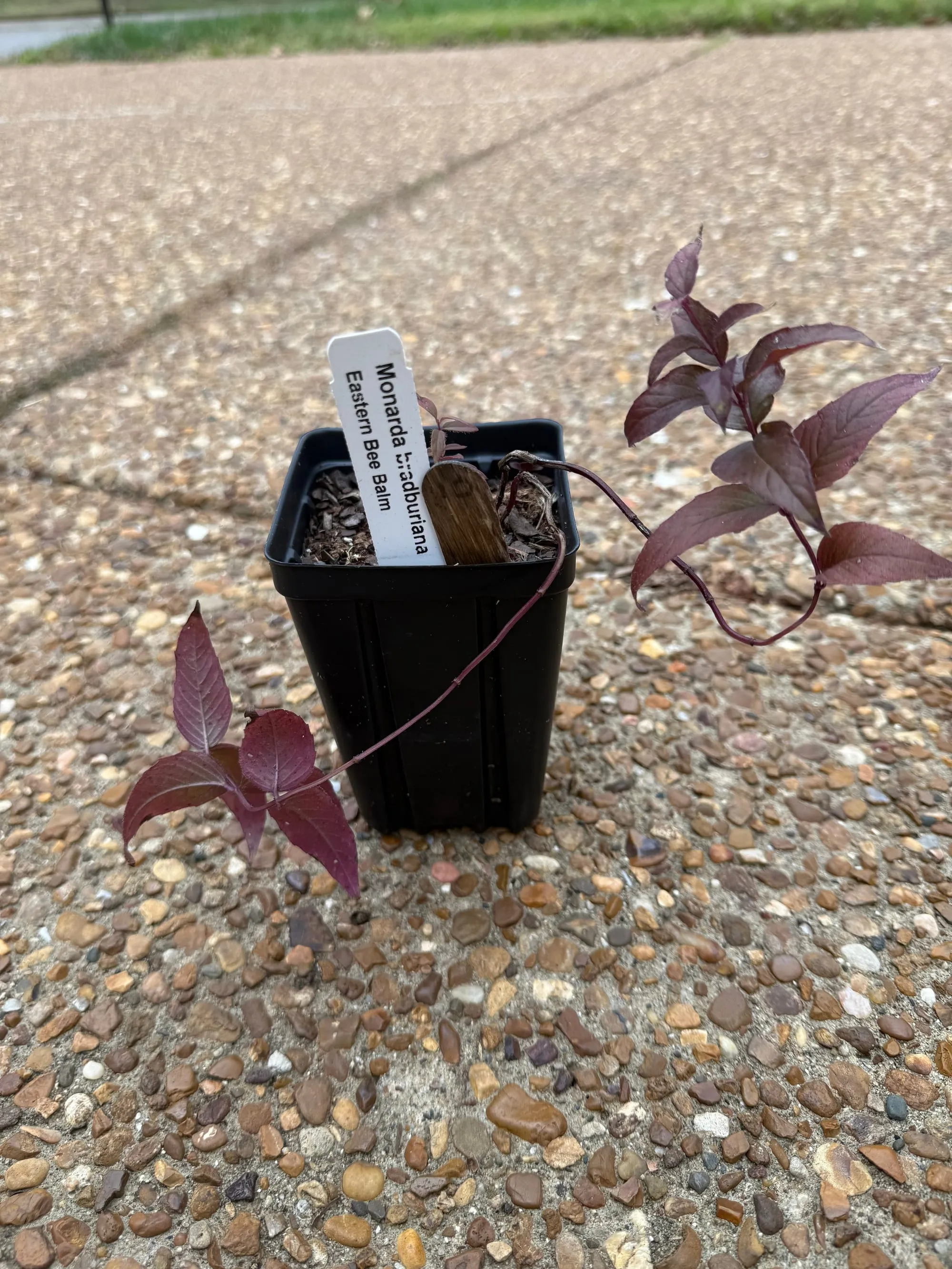
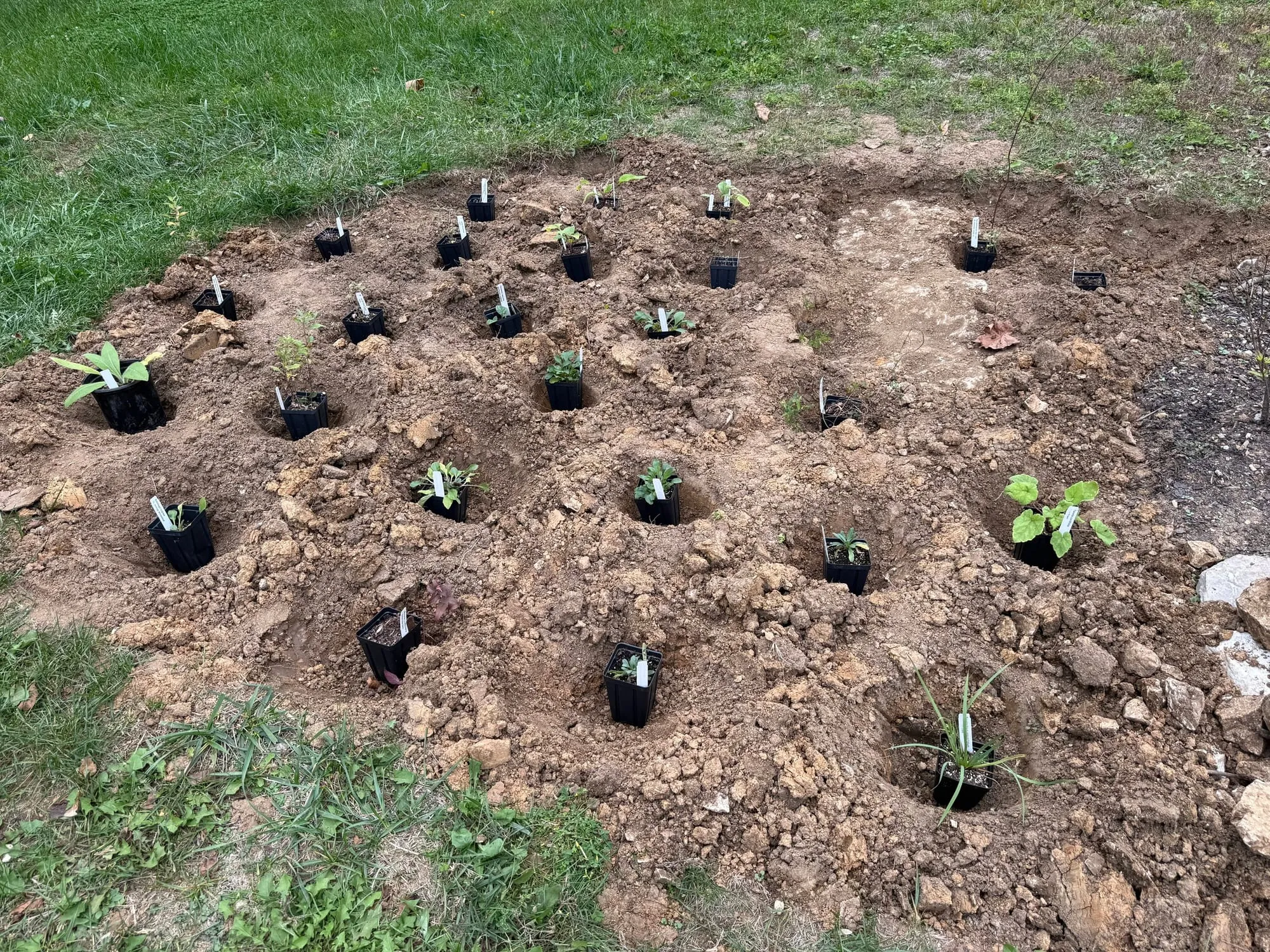
And here we are, all planted in the ground.
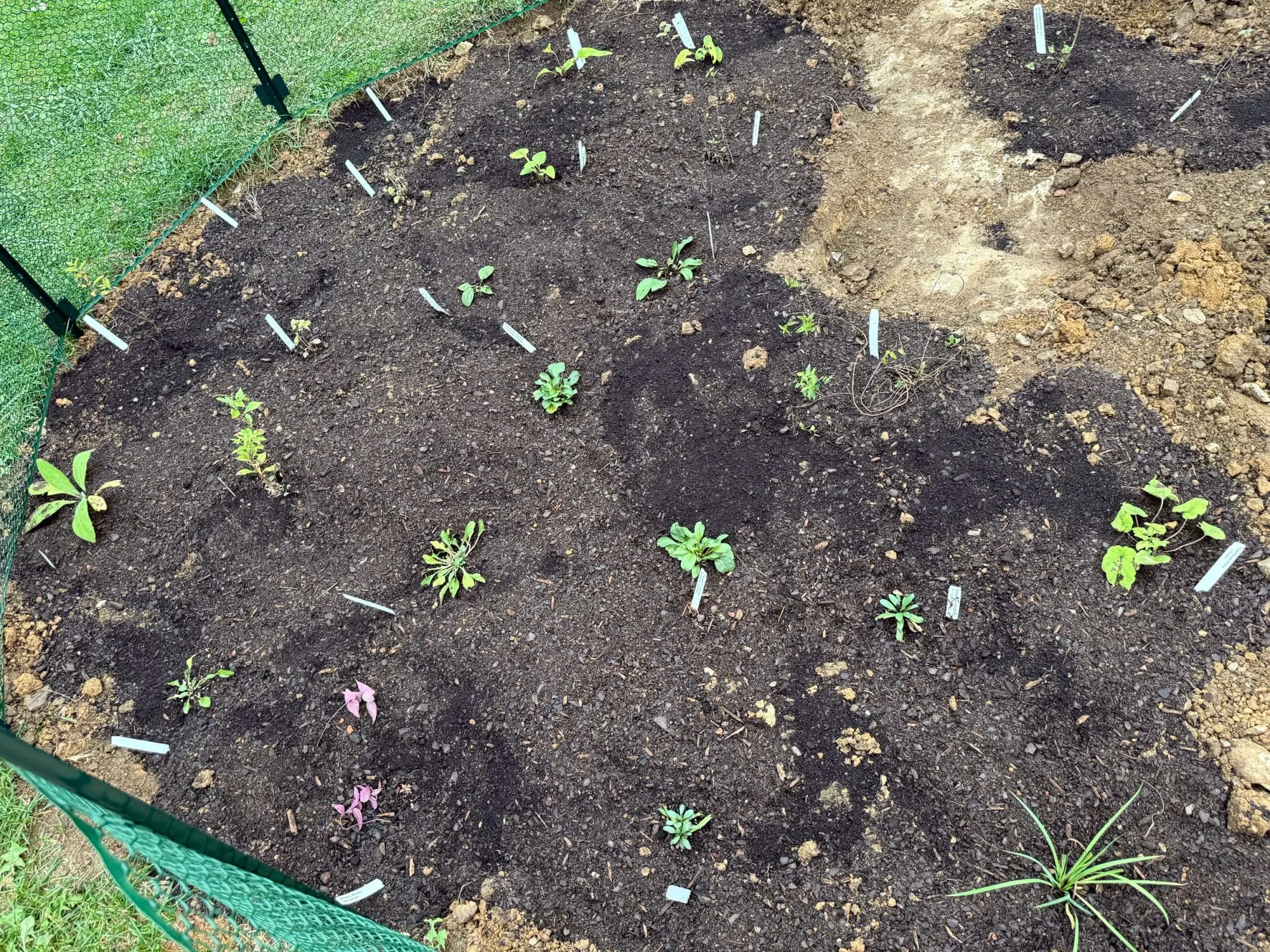
Slowly taking over the lawn…
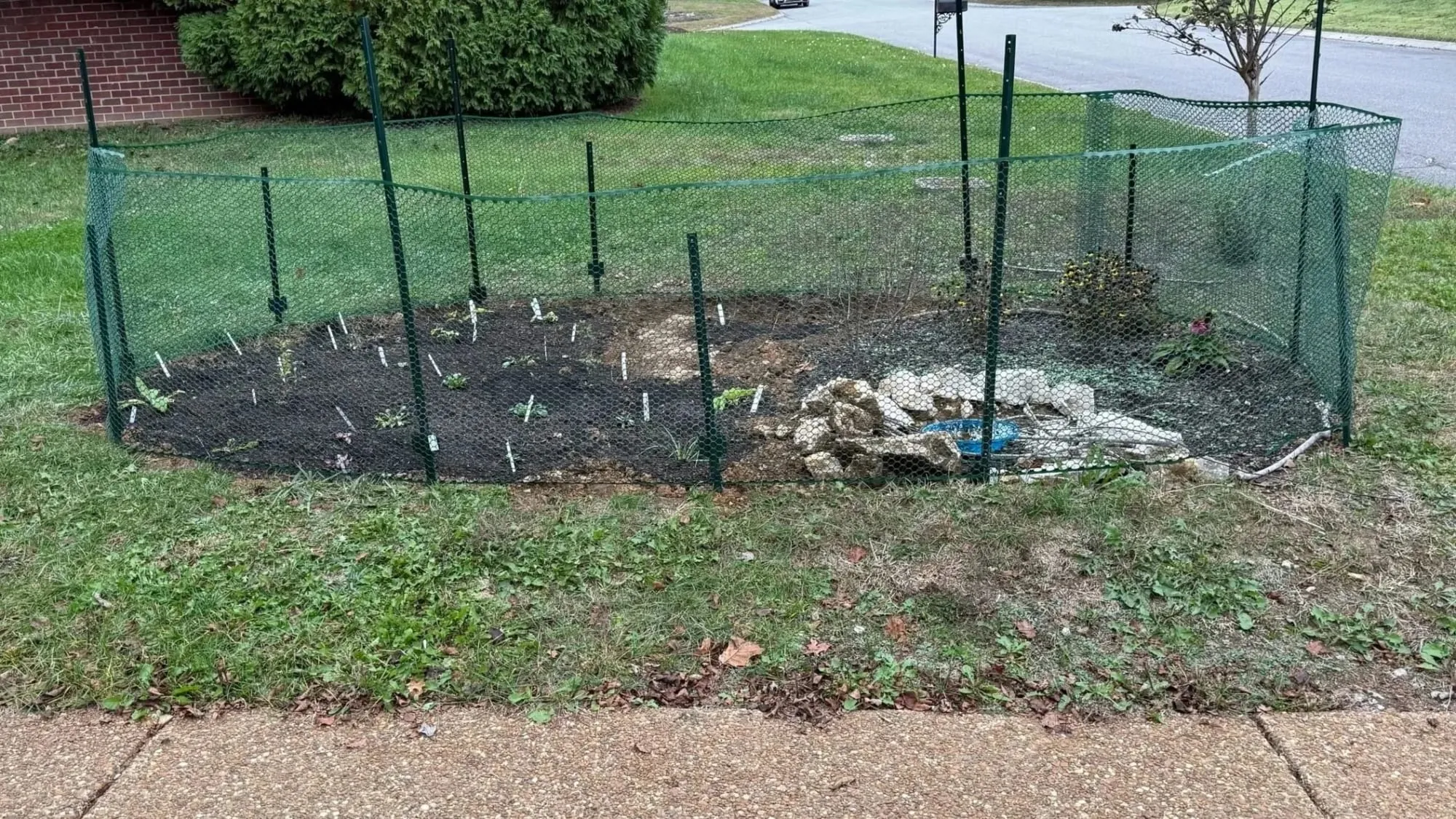
And here is how we planted the Dwark Chinkapin Oak, with deer protection.